Over the past decade, the superhero genre has grown from comic-book adaptations and summer blockbusters into something much bigger than a simple entertainment ride. Some series still play by the classic rules, where the hero saves the world and evil gets what it deserves. Others break that formula and ask what it really means to be a hero when, behind the costume and the polished slogans, there is a real person with power, weaknesses and dark desires.
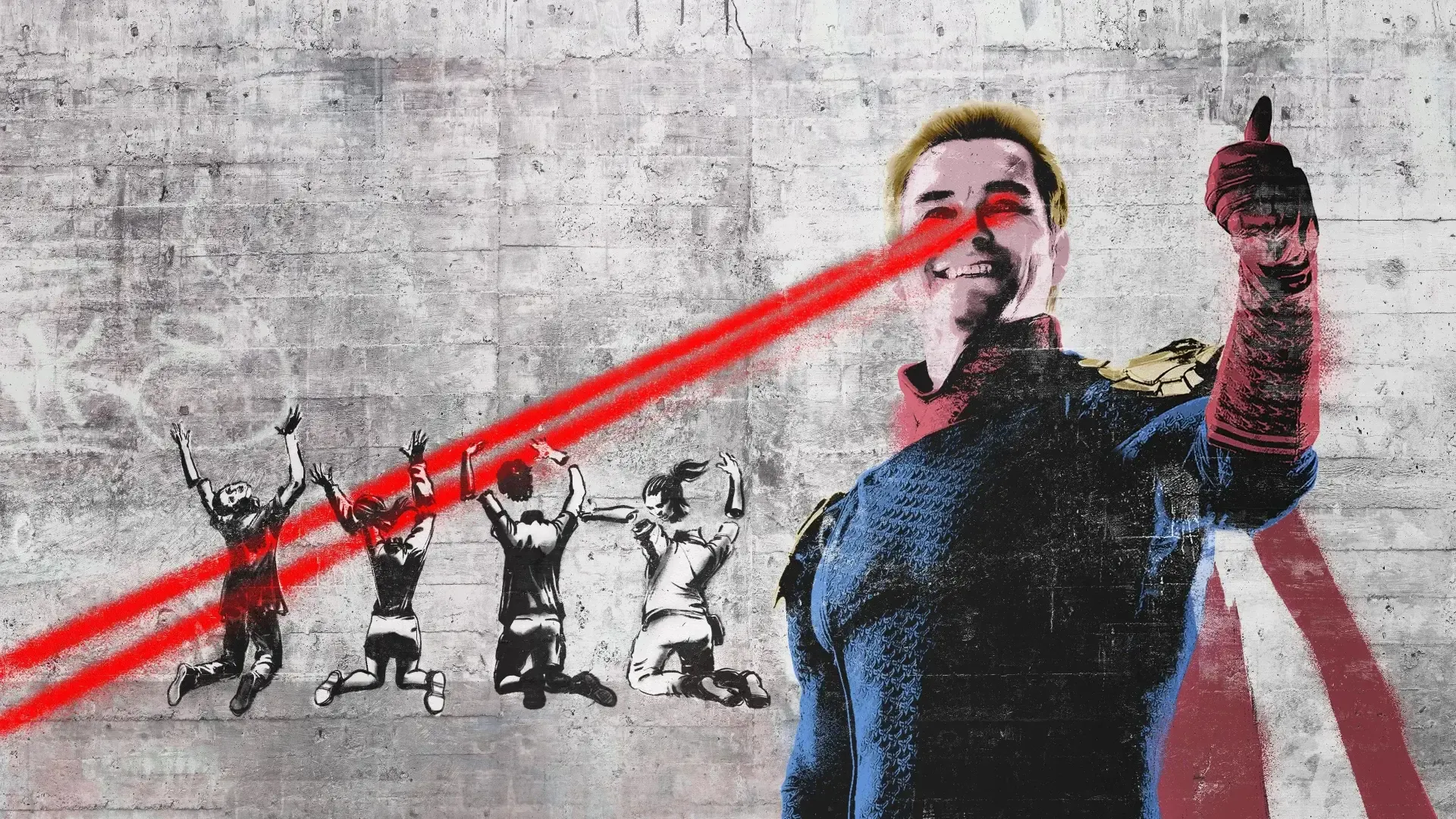
The Boys clearly belongs to the second group. It is a vicious satire of a world where superpowers have long since become a business, heroes have turned into media brands, and saving people often matters less than getting the right image for the cameras.
After the series finale, the question of what to watch next feels completely natural. Below, we have gathered seven shows that, in one way or another, work in the same space: where superhero stories are not just a backdrop for adventure, but a way to talk about power, identity and what happens to a person when they receive more strength than they can handle.
In this article
Gen V
Gen V takes place in the same universe as The Boys, but shifts the focus to young supes. The main characters study at Godolkin University, an elite institution for teenagers with superpowers, where they are trained for future careers as superheroes. Behind the prestigious campus façade lie experiments, competition, manipulation and Vought’s dark secrets.
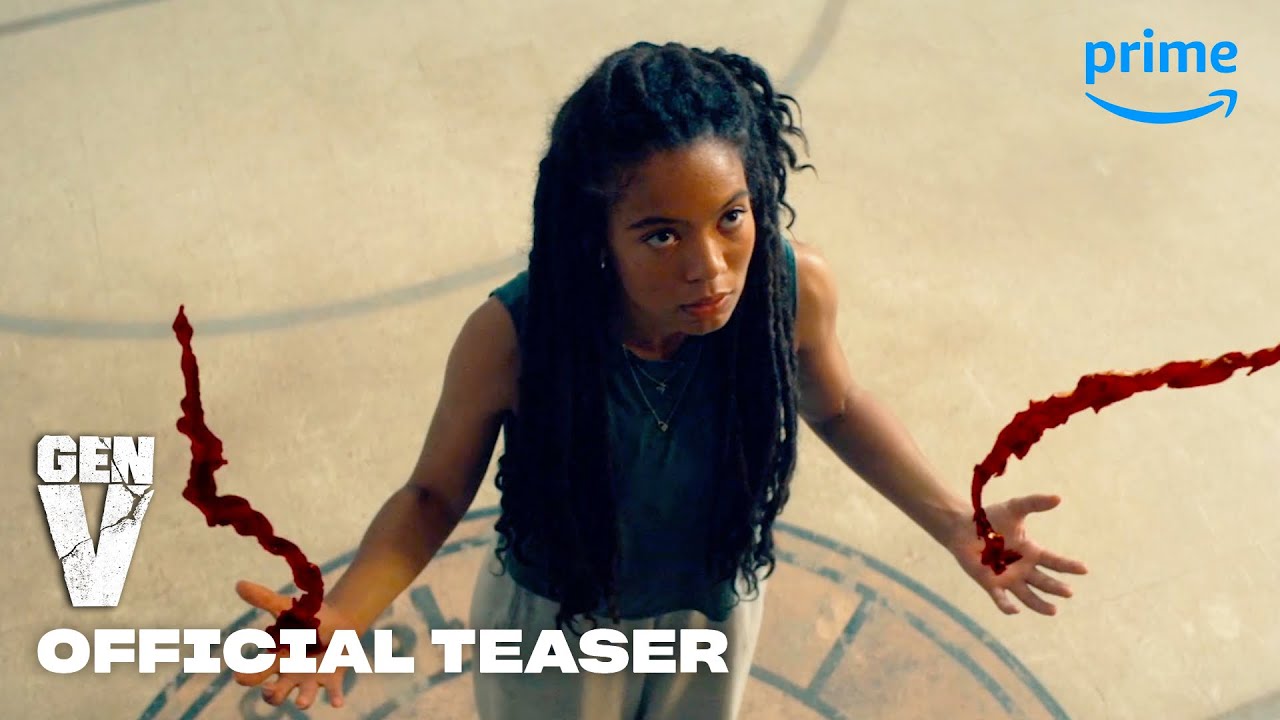
This is the most obvious choice, because Gen V is directly connected to The Boys. It has the same corporate cruelty, the same idea that superpowers do not make a person better, and the same mix of blood, satire and dark humour. The difference is that instead of adult superhero celebrities, we see young people being broken by the system before they have even properly begun.
Invincible
At first glance, Invincible looks like a classic story about a boy who gains superpowers and tries to become a hero. Mark Grayson is the son of the most powerful superhero on the planet, Omni-Man. But very quickly, the series reveals that behind its bright animated surface lies a much harsher story about power, legacy, violence and the cost of heroism.
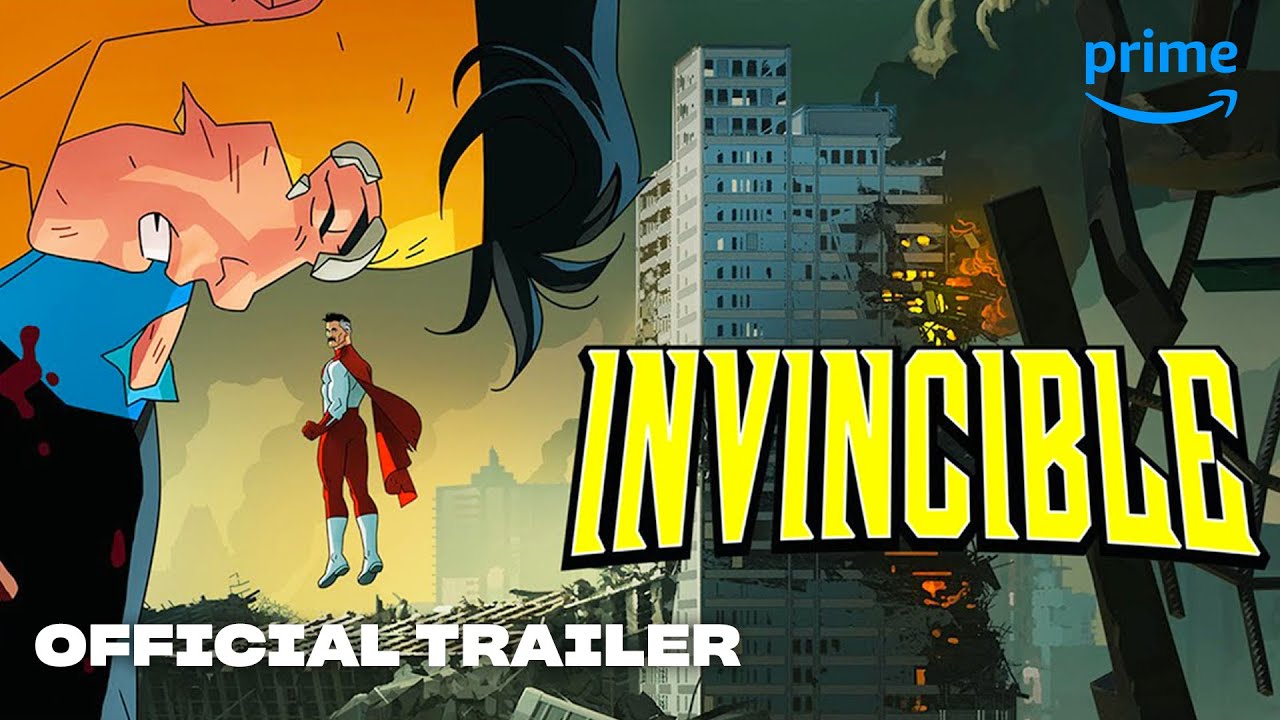
Like The Boys, this series breaks down the familiar image of superheroes. It also has shocking brutality, morally complex characters and the feeling that people with superpowers may not be protectors at all, but the greatest threat. If The Boys deconstructs superhero mythology through satire, Invincible does it through drama, family conflict and deeply painful consequences.
Peacemaker
Peacemaker follows Christopher Smith, a self-assured, crude and deeply troubled antihero who sincerely believes he is fighting for peace — even if that means killing people to achieve it. After the events of The Suicide Squad, he receives a new mission, but the series gradually reveals not only his absurdity, but also his trauma, insecurities and inner emptiness.
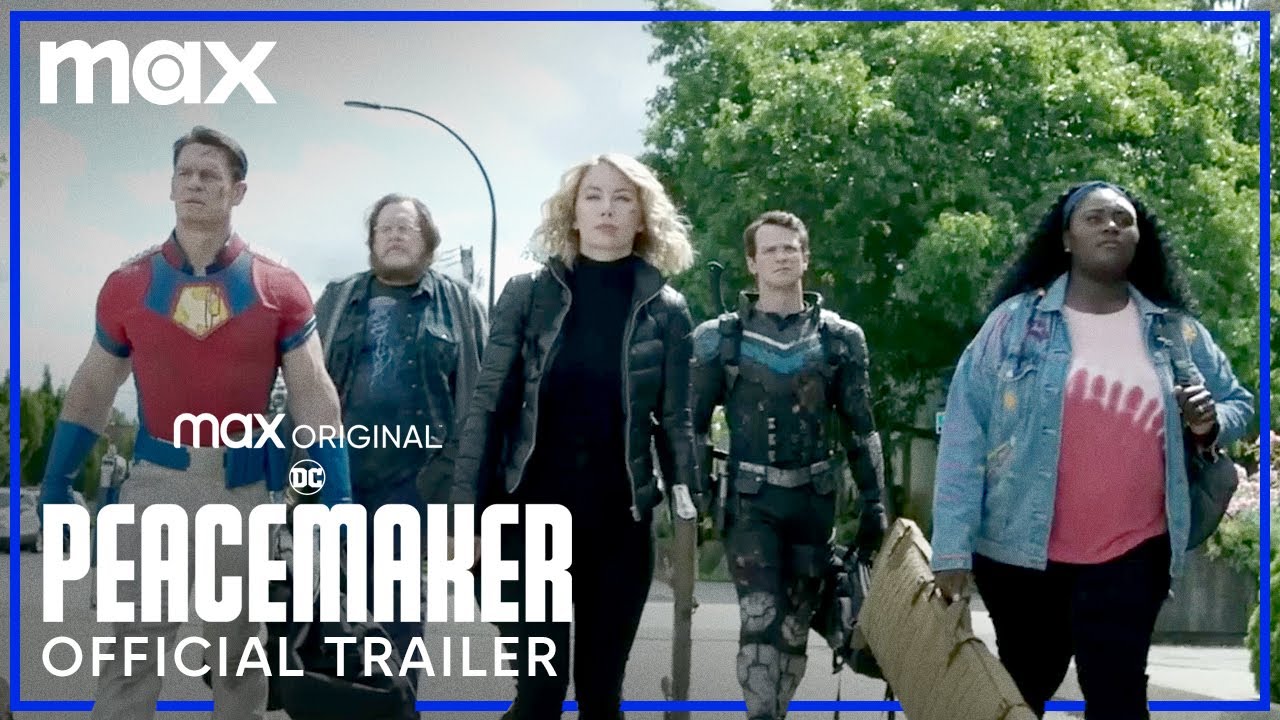
After The Boys, Peacemaker immediately offers that same thrill of messy, dirty superhero storytelling that does not need classic heroic grandstanding. The series is not as vicious or cynical, but it also takes apart heroic masculinity, patriotic clichés and a character who tries to look cool while falling apart inside. Everything rests on dark humour, bloody action and absurdity, which gradually reveals something human in its hero.
Preacher
The main character of Preacher is Jesse Custer, a preacher with a dark past who receives a supernatural power and sets out to find God. He is joined on the journey by his ex-girlfriend Tulip and the Irish vampire Cassidy. What follows is a wild mix of religious satire, bloody action, black comedy and complete madness.
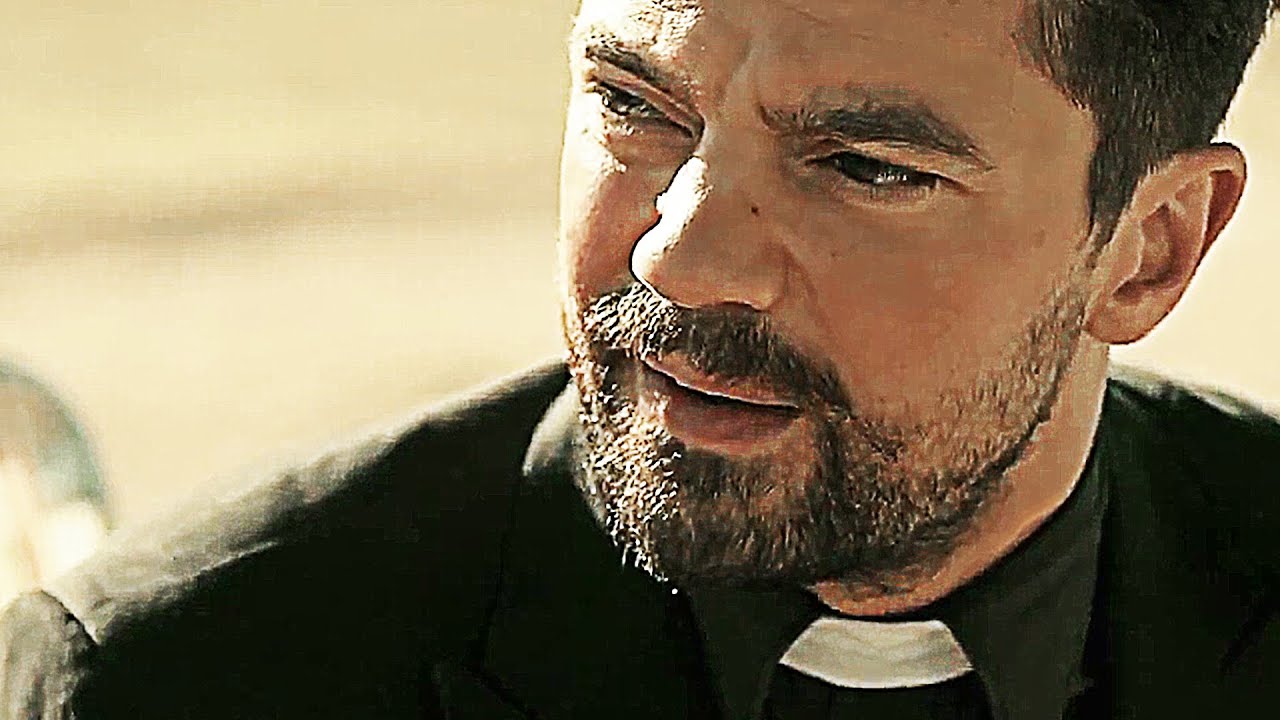
Preacher does not have superheroes in the usual sense, but in spirit it is very close to The Boys. Both shows are not afraid to be crude, provocative and absurd. There is also plenty of violence, morally questionable characters and satire aimed at institutions — only instead of corporations and the superhero business, the series takes aim at religion, faith and power.
Doom Patrol
Doom Patrol is a superhero series about people who never wanted to be superheroes in the first place. Their abilities did not appear as a gift, but as the result of trauma, accidents, experiments and catastrophes. So instead of a team of ideal world-savers, we get a group of broken people who can barely hold themselves together. The series is very strange, at times almost absurd, but there is something genuinely alive behind that weirdness. Doom Patrol does not simply mock the genre; it shows how hard it is to be "special" when that specialness has ruined your life.
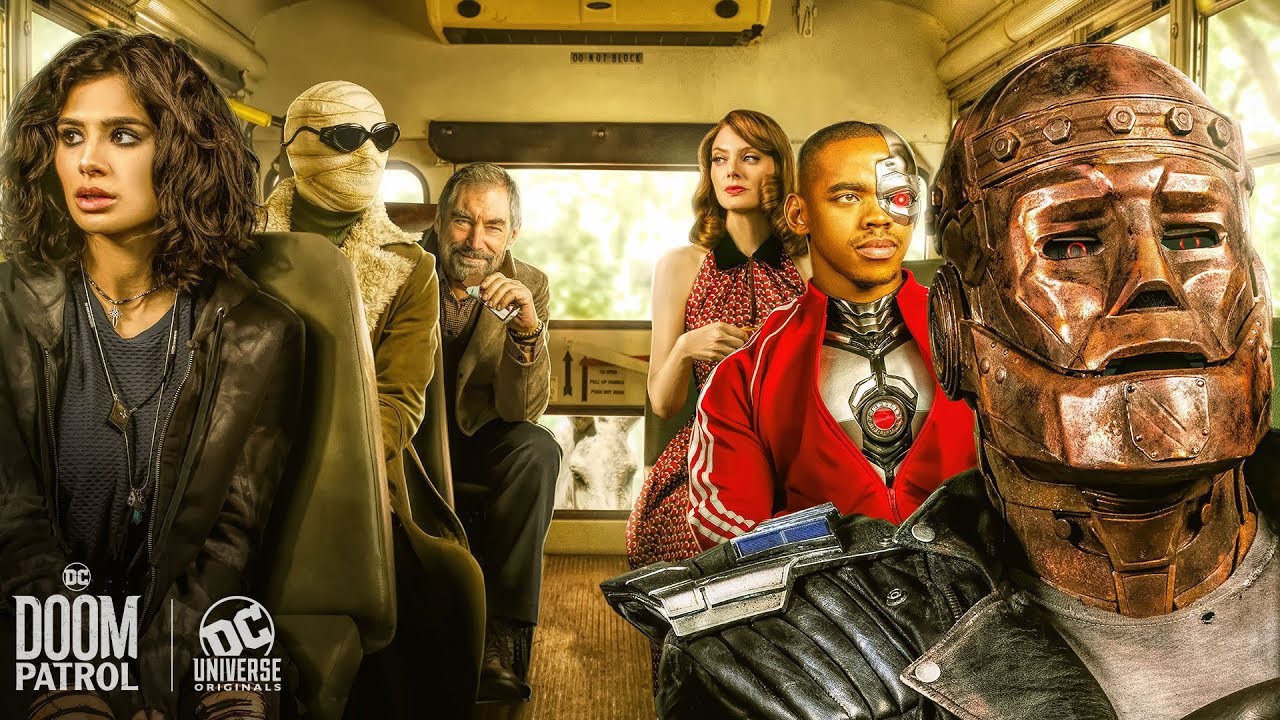
If The Boys is a vicious satire about power, corporations and the rot hidden behind the mask of heroism, then Doom Patrol is more about trauma, self-acceptance and people whom the world called monsters before they had even understood who they were.
The Umbrella Academy
The Umbrella Academy has children with superpowers, a wealthy "father", a superhero team and a mission to save the world. But the real focus here is not the powers themselves, but the consequences of a childhood where people were raised as a combat project rather than as a family.
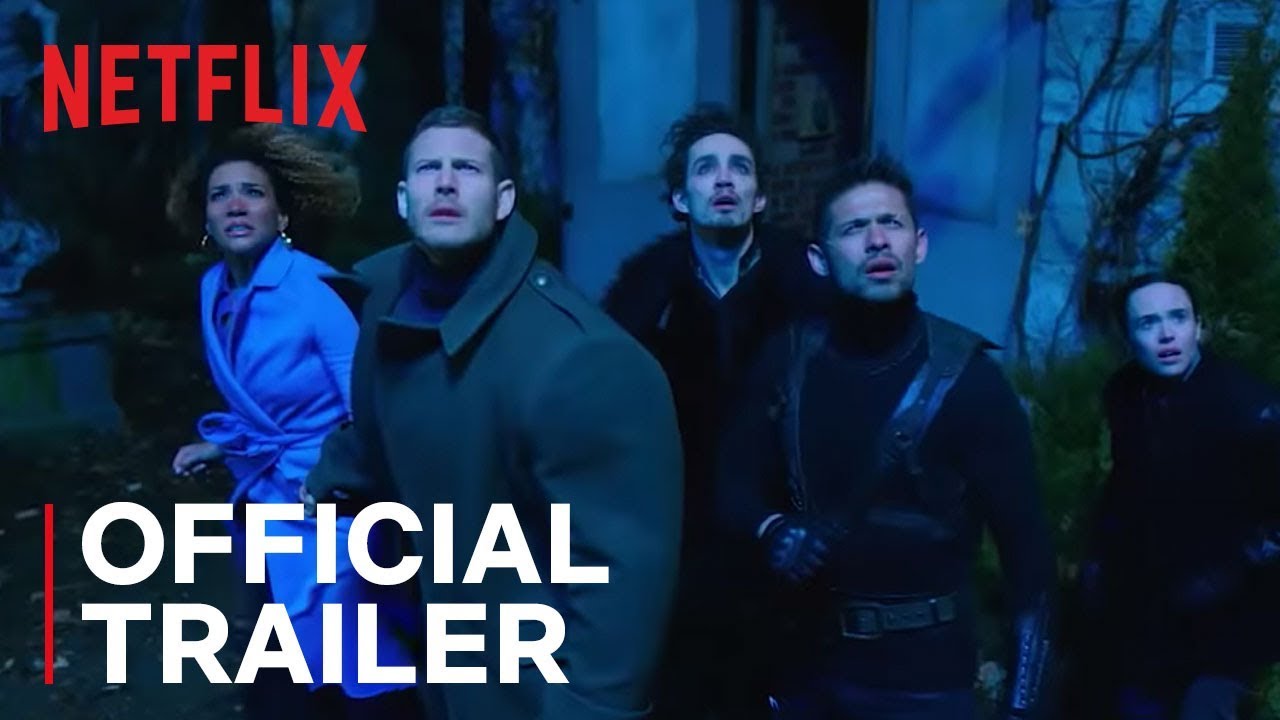
They were once a famous team, but as adults they are no longer heroes so much as traumatised people full of resentment, addictions, guilt and a complete inability to talk to one another properly. And, of course, the apocalypse is always looming somewhere nearby, because in families like this, it could hardly be any other way.
The series is not as brutal or cynical as The Boys, but it also takes apart the myth of "special people". In The Boys, superpowers turn heroes into products, media brands and instruments of influence. In The Umbrella Academy, superpowers become part of childhood trauma, control and broken family ties. In both cases, they do not save the characters from their problems — they only make those problems bigger.
Watchmen
Watchmen is not exactly light evening entertainment in the "blood, jokes and superheroes" mode. It is a heavier, more serious and more political story. The series presents an alternative America where masked vigilantes did not become symbols of hope. On the contrary, their history left behind violence, fear and many uncomfortable questions about power.
Here, superhero storytelling is not used for spectacular fights, but for a conversation about racism, violence, policing, historical memory and the danger of people in masks deciding that they stand above everyone else.
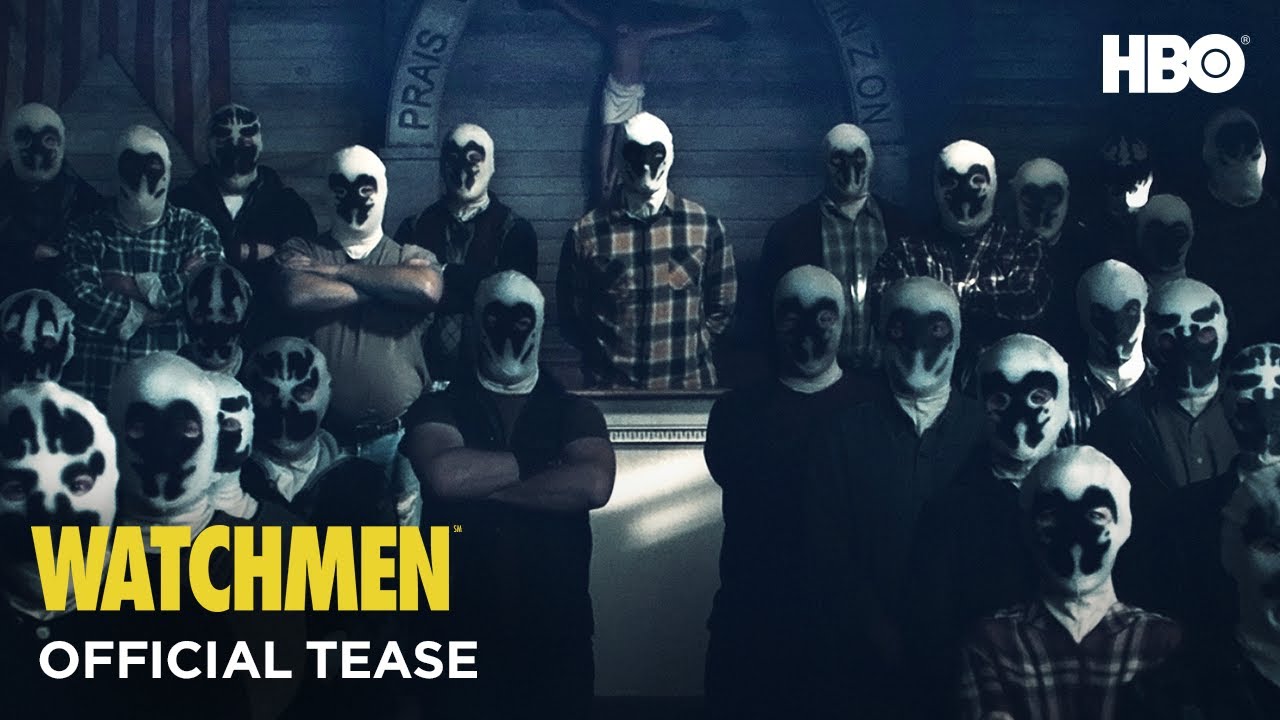
In terms of tone, Watchmen is very different, but in essence it is very close. Both series ask the same uncomfortable question: what if the people we call heroes have simply been given too much power? The Boys answers through satire, blood and cynicism. Watchmen answers through political drama and heavy moral consequences.
All these shows echo The Boys in their own ways, but none of them simply copy it. Gen V expands the same universe, Invincible shows superhero storytelling from an unexpectedly brutal angle, Peacemaker leans into absurdity and dark humour, while Watchmen offers the most serious look at people in masks.
If you want something as close as possible to The Boys, start with Gen V and Invincible. For mad humour, bloody absurdity and strange superhero storytelling, go for Peacemaker, Preacher or Doom Patrol. And if, after the finale, you want a deeper deconstruction of the superhero myth, Watchmen is the strongest option.