Reviews of the final season's episodes
The penultimate episodes of any season — and especially of an entire television series — are an examination of their creators' craft. They are where writers are expected to start answering the show's biggest questions while leaving audiences counting the hours until the finale. Episode 7 of The Boys Season 5, titled "The Frenchman, the Female, and the Man Called Mother's Milk," formally fulfils that obligation. The President is dead. Frenchie is dying. Soldier Boy ends up back inside a cryogenic chamber. Homelander moves even closer to becoming the god he has always imagined himself to be.
After the spectacular ending of the previous episode, where Homelander injected himself with V1, expectations were obvious: catastrophe, chaos, an overwhelming display of power and the sense that the show's world was about to be enslaved—or destroyed altogether. Some of that certainly happens. One of the central characters dies, several long-running storylines finally converge, and a handful of characters receive their strongest scenes of the season. Yet the same symptom that has haunted this season since Episode 3 refuses to disappear. Rather than feeling like the climax of a story five seasons in the making, this penultimate chapter often resembles an ordinary episode from Seasons 2 or 3. Despite everything that happens, it all feels strangely routine.
A God nobody truly fears
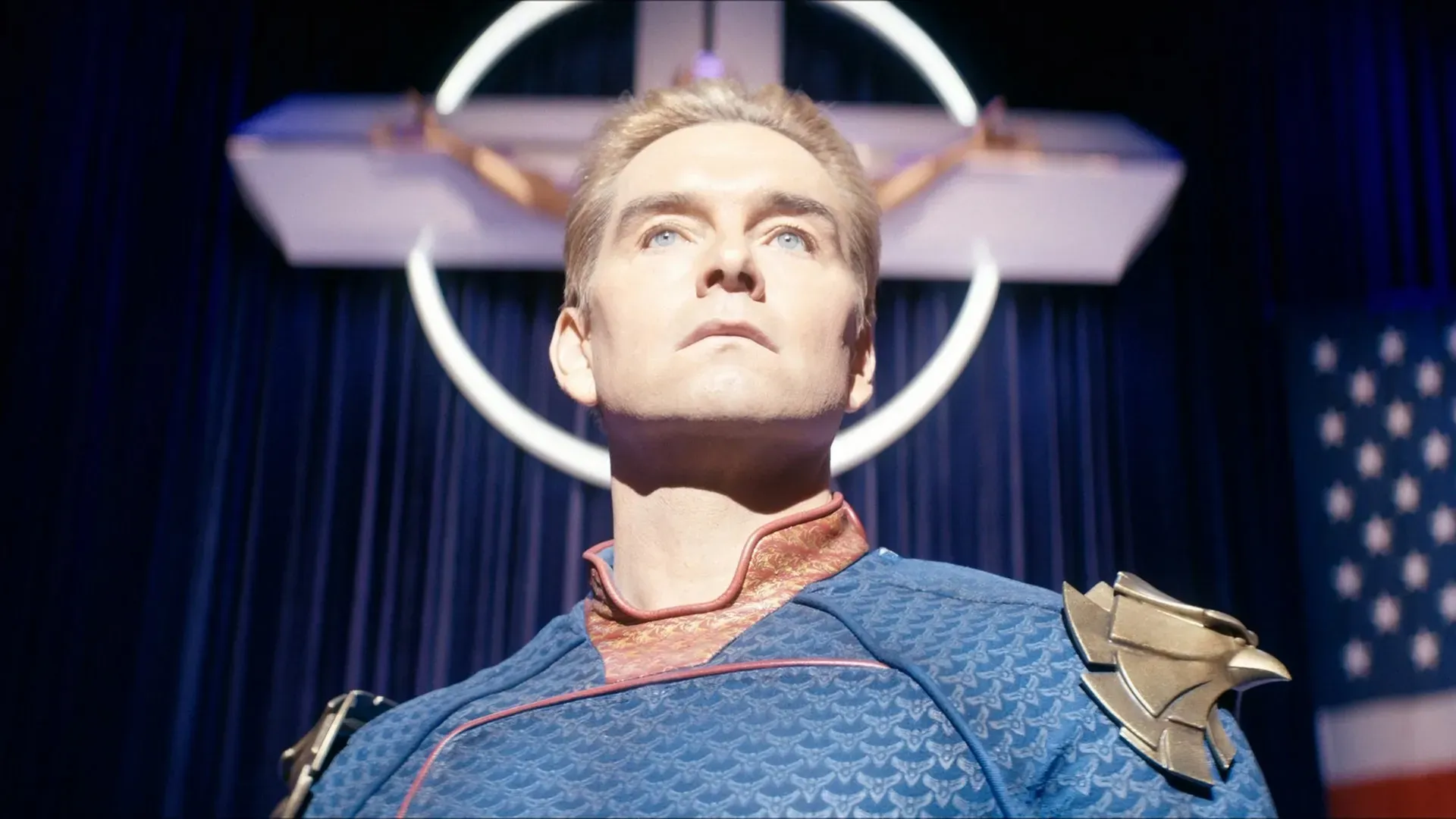
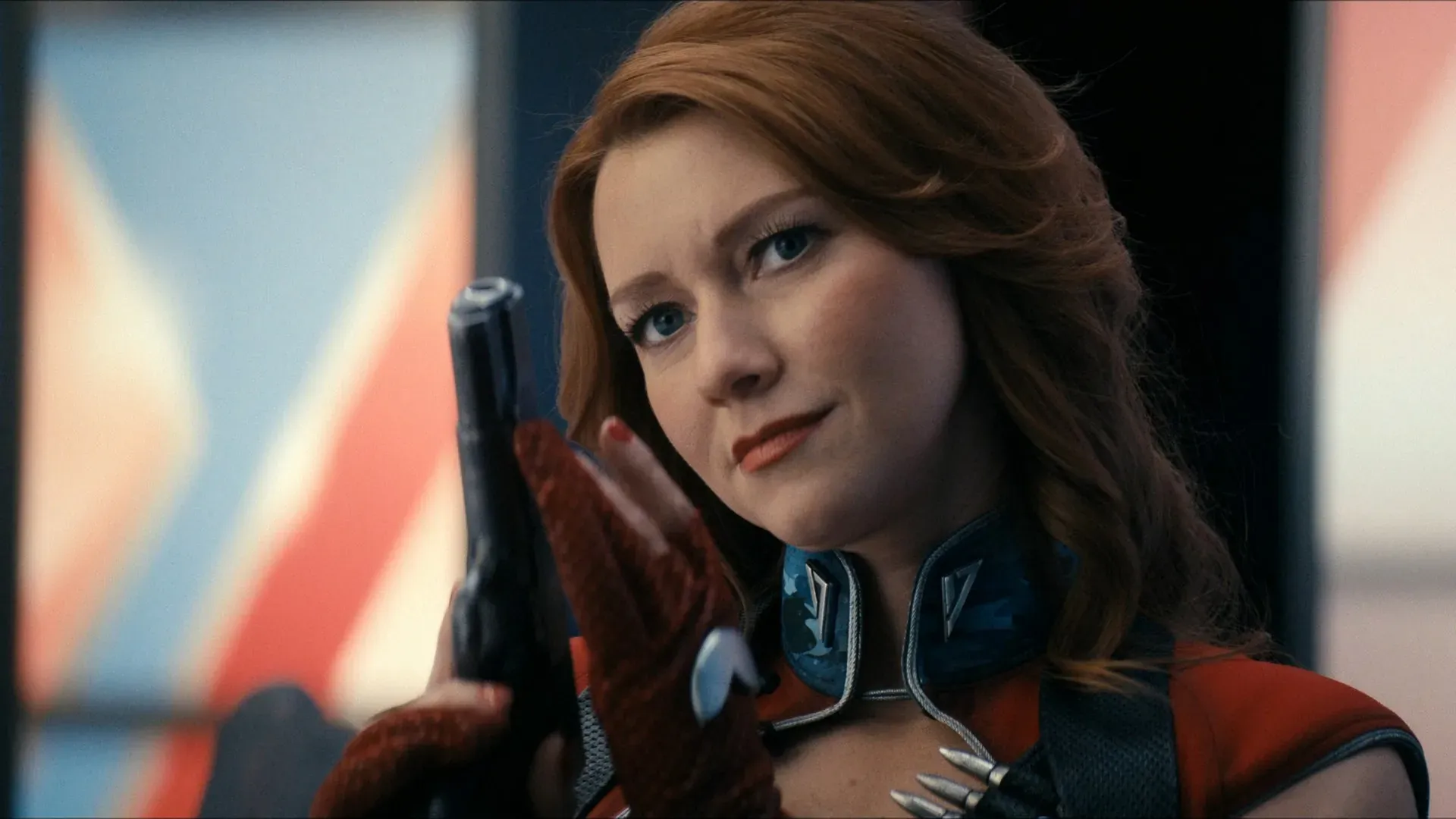
The episode opens in the Oval Office, where Homelander lays out his vision for America's future to the President. His plan is simple: transform the Democratic Church of America into the nation's official religion, with himself as its one true god. Congress will be dissolved, abortion outlawed, oat milk banned, and breastfeeding made compulsory. After Homelander murders the President, Ashley quietly takes his place behind the Resolute Desk, while the second face growing from the back of her head—the one that has long served as the last fragment of her conscience—calls her a coward before falling silent forever.
The scene perfectly illustrates Homelander's evolution. He no longer needs political power in the conventional sense, and he barely even needs violence. Fear alone is enough. Back in Season 2, merely imagining him lazering a crowd of civilians was terrifying enough to unsettle viewers. Now the series presents him less as an unstoppable superhuman force and more as a corporate executive and political manager. Even after receiving V1, he barely changes. The transformation feels surprisingly understated.
Homelander then dissolves The Seven, casually dismissing The Deep with a polite "all the best." For a man whose entire identity revolved around belonging to the team, those words land harder than any death sentence. The following sequence, featuring the shark Xander—voiced by Samuel L. Jackson—who informs The Deep that every sea creature intends to kill him should he ever return to the ocean, is simultaneously hilarious and oddly deserved considering everything the character has done. So when The Deep later notices a drowning man, he simply walks away. There is no fame left to gain, and now he is finally afraid to die. A pitiful ending for an equally pitiful character.
Soldier Boy was shelved for another day
Perhaps the most ironic storyline of the episode belongs to Soldier Boy. His fate is resolved with remarkable simplicity. He rejects Homelander's offers, reminds him that he handed over V1 solely because of Clara, and bluntly states that Homelander is no god—just a bloke who had a wet dream about an angel with breasts. After an entire season filled with conversations about family, legacy and identity, Soldier Boy ends up exactly where he started: back inside a cryogenic chamber. Ever since his introduction in Season 3, Soldier Boy has repeatedly been locked away whenever the writers no longer know what to do with him, only to be thawed out again when the plot demands another unstoppable weapon. There is something unintentionally comical about this cycle, one that ultimately diminishes the character. His story reaches an astonishingly anti-climactic conclusion.
It feels less like the end of an arc and more like preservation for future spin-offs. One of them, Vought Rising, will explore the 1950s, while another project, reportedly titled The Boys: Mexico, is rumoured to take place after the events of the main series. Moments like these increasingly reinforce the feeling that the final season is constantly looking ahead to the franchise's future instead of focusing on its own conclusion.
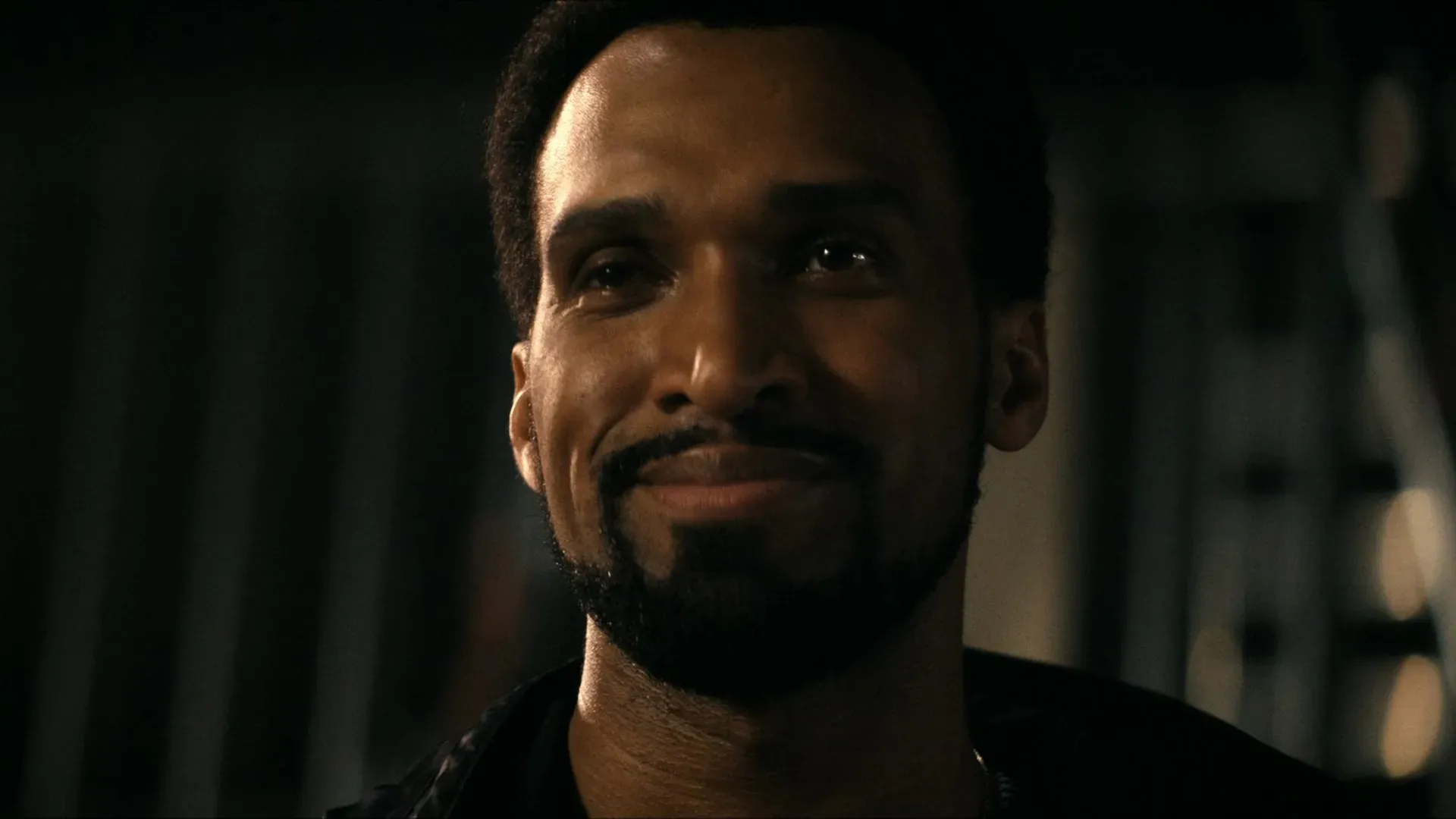
Mother's Milk finally gets his finest moment
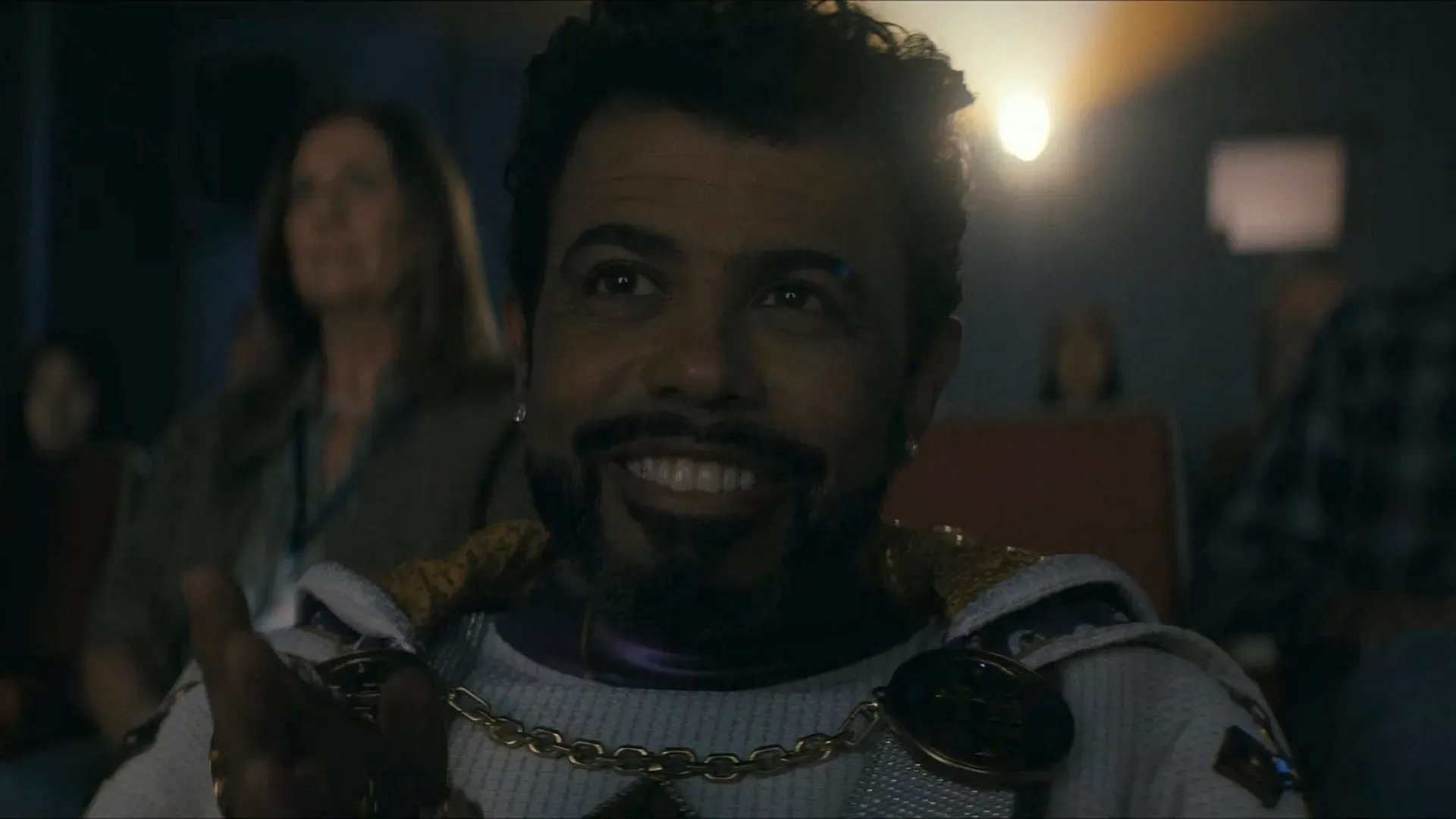
While Kimiko undergoes uranium irradiation using the very process that once transformed Soldier Boy into what he is today, and Sister Sage repeatedly lobotomises herself while suffering an existential crisis, Mother's Milk and Annie keep watch over Oh Father rehearsing on a Vought soundstage. David Diggs clearly relishes the opportunity, turning the entire production into a full-blown musical number. The sequence is funny, absurd and slightly disruptive to the episode's pacing. Against that backdrop, however, the season delivers its most human moment.
Mother's Milk tells Annie about his childhood, about rescuing an injured bird, about being mocked by classmates and receiving the nickname "Mother's Milk" as an insult before eventually embracing it as part of his identity. "Caring in a world where nobody else does isn't weakness. It's bloody difficult." Laz Alonso delivers the line without even a hint of theatricality, and that restraint makes it land far harder than many of the season's supposedly inspirational speeches. It's a shame that MM has been given so few moments like this across five seasons. These are the scenes I love most in The Boys—the ones that remind us the series isn't just a satire about superheroes but also a story about ordinary people desperately trying to remain human.
Butcher's past
Hughie and Butcher find themselves trapped by the telepath Synapse, who assumes the appearance of Joe Kessler—played by Jeffrey Dean Morgan—the former soldier and closest friend Billy Butcher ever had. Using his abilities, Synapse forces Butcher to relive the past, exposing the cost of his ambition. During one military operation, Butcher prioritised the mission above the lives of his entire squad, leading to everyone's death except his own. The revelation plants a dangerous seed of doubt in Hughie's mind. If Butcher sacrificed his comrades once, what guarantees he will not do the same during the Boys' final mission against Homelander?
For the moment, however, survival takes priority. Hughie manages to break Synapse's concentration psychologically by reminding him of his murdered brother. The distraction frees Butcher from the telepath's control, allowing him to kill Synapse. But the damage has already been done. The telepath extracts everything he needs to know about Kimiko and the uranium chamber before dying, prompting Homelander to fly off immediately in pursuit of the rest of the team.
Frenchie's death
The final sequence is undoubtedly the emotional centrepiece of the episode. Frenchie voluntarily stays behind to delay Homelander while Kimiko and Sister Sage hide inside the shelter. He raises his middle finger, calls Homelander a Nazi and activates the uranium chamber at full power. When Kimiko reaches him, he is still alive. Their farewell and final kiss are carried almost entirely by the performances of Tomer Capone and Karen Fukuhara. Both actors elevate the material through sheer emotional honesty, because from a writing perspective Frenchie's death feels somewhat predictable despite its sadness. The season has spent so long foreshadowing his inevitable sacrifice that, when it finally arrives, it barely surprises. It simply happens.
Season's biggest problem
The closer The Boys gets to its finale, the more it feels as though the series itself has no clear idea how to end its own story. Marie Moreau and Jordan Li finally appear, but their arrival immediately raises another question: where have they been all this time? Once again, the protagonists find themselves revisiting familiar conversations about hope, friendship and love.
Homelander remains the season's biggest dramatic issue. Paradoxically, the more powerful he becomes, the less threatening he feels. After injecting himself with V1, he should represent an unstoppable force of nature—something no one can escape. Instead, when he arrives at the Boys' laboratory, he could eliminate everyone within seconds. Rather than doing so, he simply flies away because he cannot be bothered to investigate the one place in the room his X-ray vision cannot penetrate. The Homelander of Season 1 would never have made such a mistake. The series originally established him as an overwhelming threat, someone nobody could even approach without risking instant death. Over time, however, he has evolved into little more than a narcissist trapped in a perpetual cycle of self-validation. That psychological angle remains compelling in its own right, but it comes at the expense of his credibility as the show's ultimate antagonist. When a character capable of slicing people apart with laser vision through solid walls repeatedly fails to finish the job, audiences inevitably stop believing in the danger he represents.
Final thoughts
Episode 7 is not a bad episode by any means. It contains strong dialogue, Mother's Milk receives the finest scene of his entire arc, Frenchie's farewell is genuinely moving, and several individual moments land exactly as intended. The problem lies elsewhere. All of these developments should have served as the emotional and narrative climax before the finale. Instead, they feel like yet another stop on the journey towards a conclusion that the season has spent far too long postponing. The episode leaves behind an unexpected sense of emptiness. Not because too little happens, but because many of these events should arguably have taken place four or five episodes earlier. Homelander murders the President, dissolves The Seven and locks Soldier Boy away once more—events that should feel like the story reaching its highest point before the end. Instead, they come across as little more than another repositioning of the chess pieces before the final move. The long-awaited arrival of Gen V characters Marie Moreau and Jordan Li is handled so briefly and with so little dramatic weight that it feels almost perfunctory. Characters who had effectively spent the season sitting on the bench return only long enough to remind viewers that they still exist.
A penultimate episode should leave audiences desperately counting down the hours until the finale. Instead, The Boys Season 5 Episode 7 leaves behind a different question altogether: Can a single remaining hour realistically deliver a satisfying conclusion to a story that has spent an entire season delaying its own ending?
P.S. Apparently, what this penultimate episode truly needed was a scene in which Sheline the cat-woman and Dogknott the dog-man sniff each other's backsides. Naturally, there was no better use for the episode's precious running time.