The sixth episode of The Boys Season 5, titled "Though the Heavens Fall", ostensibly feels like the moment the season has been building towards from the very beginning. The final vial of V1 has finally fallen into Homelander's hands, while several storylines that have been stretched across previous episodes begin converging at a single point.
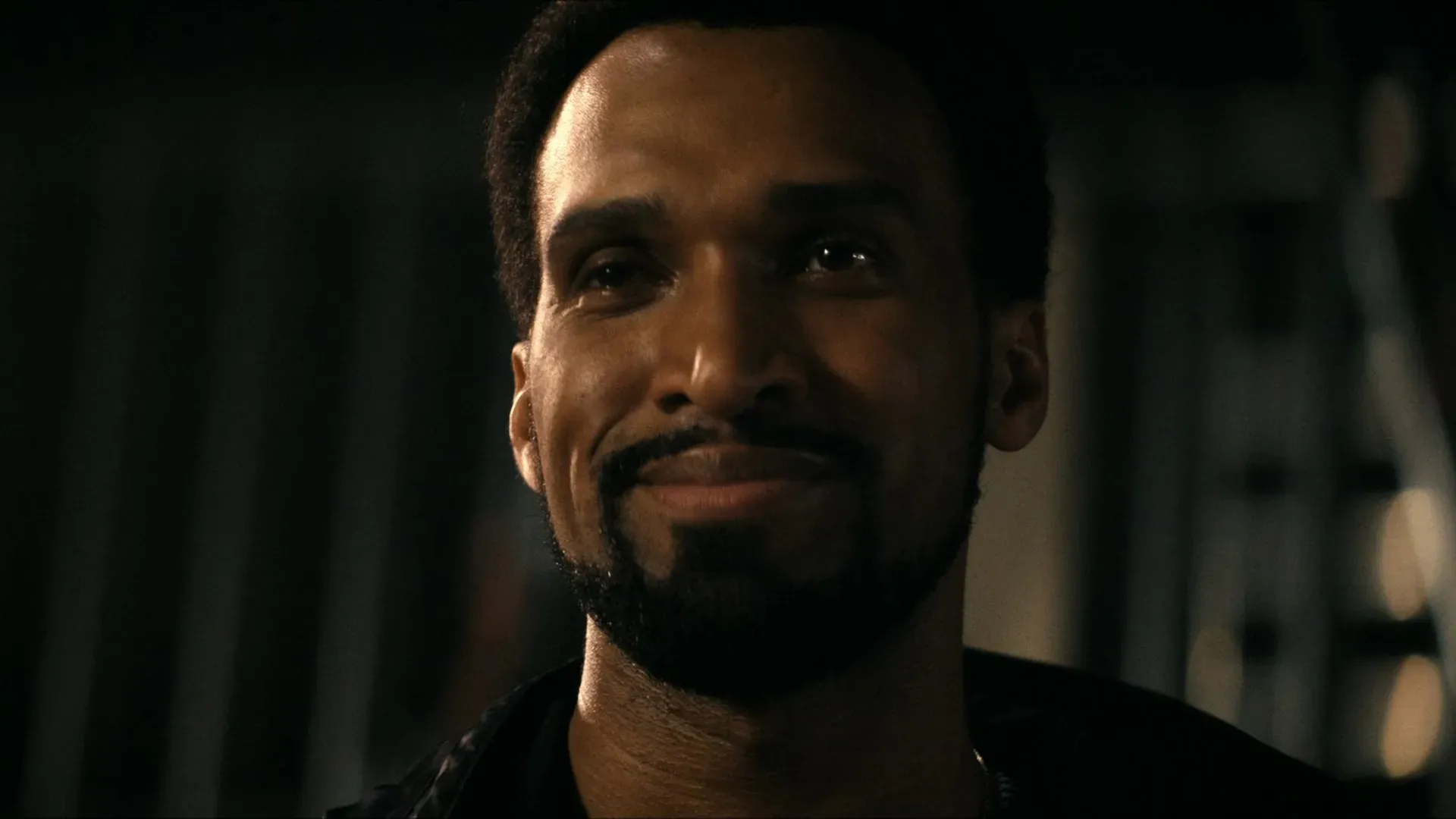
The episode opens in a cinema with The Legend, Vought's former Senior Vice President of Hero Management, whom viewers last saw in Season 3. His return serves a dual purpose: bringing back a familiar face ahead of the finale and helping to unpack the season's central MacGuffin through Bombsight and his connection to Golden Geisha. It turns out Bombsight had been safeguarding the vial of V1 for the woman he loves, who now resides in a Vought retirement home for ageing Supes and long ago consciously chose to reject immortality.
"Summer is only beautiful when you know winter is coming," she tells Kimiko. The line does more than define the character; it illuminates the episode's central theme: what immortality truly means, and whether it is a gift at all. This is precisely why Bombsight's storyline works considerably better than much of the season's main conflict. His decision to hand V1 over to Soldier Boy in exchange for losing his powers and spending the remainder of his life with the woman he loves is surprisingly moving. For a brief moment, The Boys remembers that it can be more than a cynical satire and a shock-content factory—it can also be a story about people terrified of losing one another.
At the same time, the writers deliver several quiet, deeply human moments, something the season has sorely lacked since its opening episodes. Kimiko confides in Frenchie that both she and Starlight have doubts about taking V1, because immortality means more than power—it also means watching everyone you love grow old and die. It is a familiar dramatic trope in stories about immortality, but that does not make it any less effective. Especially when compared with a season that has largely consisted of characters endlessly arguing over the same conflicts. Hughie and Annie simply lie on the roof of a car and watch the clouds drift by. For the first time in a long while, they are actually together rather than bickering about Butcher's latest plan.
Yet just as the episode begins to find emotional balance, the script returns to one of the season's most persistent problems: being stuck in an endless loop. The plan to deploy the anti-Supe virus collapses almost immediately after Starlight and Hughie's encounter with Oh Father. The confrontation itself is solid—and the fight is genuinely funny, if we're being honest—because it functions not only as another action set-piece but also as a reminder of Annie's past and how far she has distanced herself from the religious fanaticism that once shaped her identity. Unfortunately, the storyline ultimately arrives at the same familiar destination: the sense that the series is constantly inventing new ways to postpone its endgame.
The virus no longer feels like a genuine solution, V1 is about to fall into Homelander's possession, and Sister Sage increasingly resembles a character whose brilliance exists only in dialogue. The writers attempt to explain her failures by suggesting she understands rational systems perfectly but struggles to navigate human emotions. The problem is that, for a character with superhuman intelligence, this feels like a remarkably convenient excuse. More and more, it seems as though the writers themselves have yet to define the limits of her abilities, forcing Sage to make mistakes whenever the plot requires it.
Soldier Boy, Bombsight and Golden Geisha storyline functions as a standalone moral parable about choosing between power and control, yet it simultaneously undermines its own internal logic. A character who has spent the entire season serving as a weapon against Homelander suddenly ends up delivering V1 directly into his hands because of an emotional decision. Even if one interprets this as an exploration of human inconsistency, the result still feels driven more by narrative convenience than character development. Too many crucial pieces suddenly fall into place at exactly the moment the story needs them to.
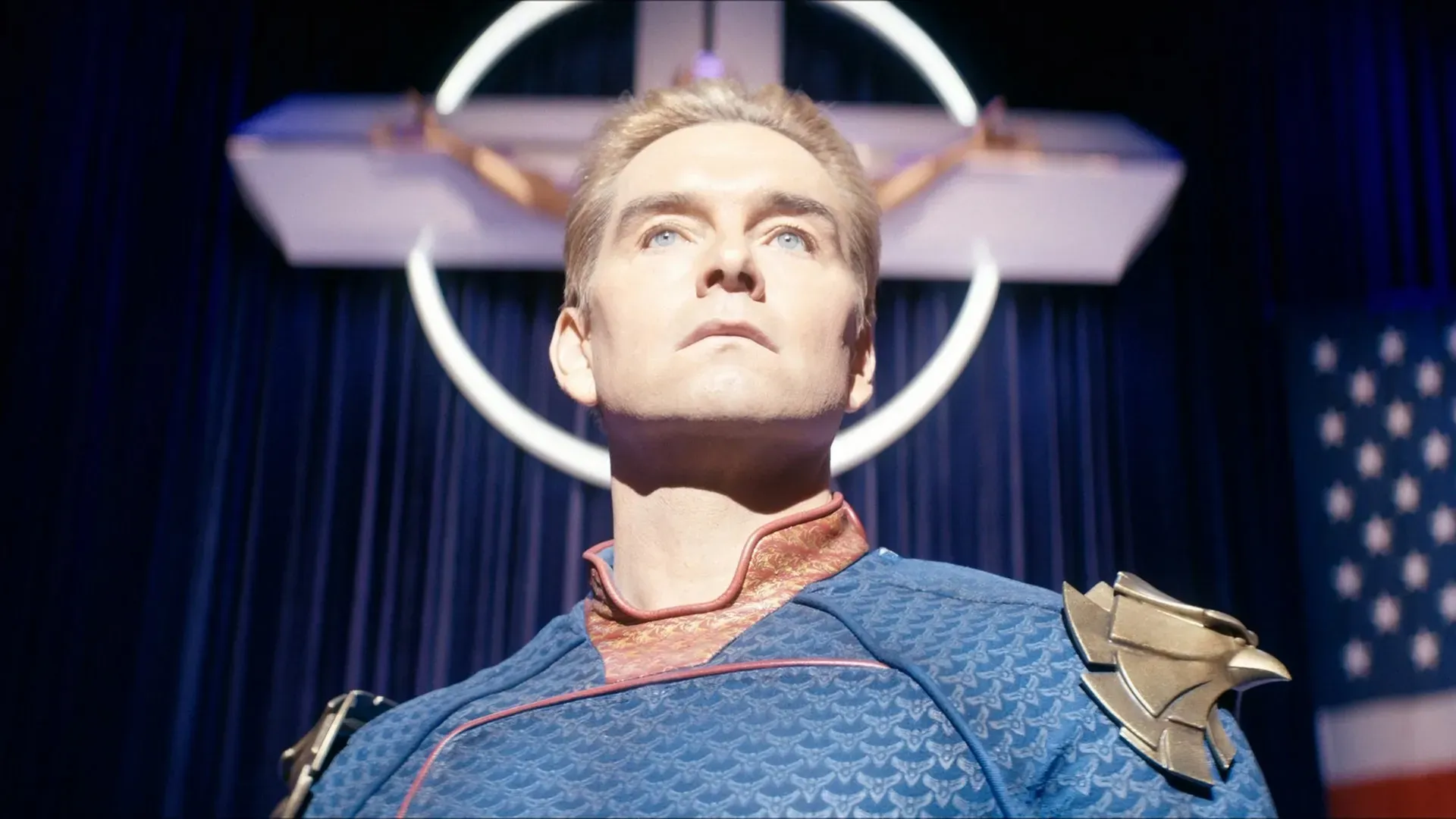
The episode's strangest decision revolves around Soldier Boy himself. After everything he has said about Homelander throughout the season, and after countless hints towards their inevitable confrontation, he ultimately chooses to hand V1 over to his son willingly. The idea that Clara Vought and her connection to Homelander become the catalyst (a moment that inevitably recalls Batman v Superman: Dawn of Justice and its infamous Martha revelation—if you know, you know) is emotionally understandable, but dramatically underdeveloped. This is especially true given how abruptly the season introduces the Stormfront subplot into the equation. As a result, the climax feels less like a natural culmination of character arcs and more like a narrative necessity. That said, the scene in which Homelander injects himself with V1 and two pillars of heat vision erupt into the sky is staged with enough spectacle to create the intended sense of hopelessness. The Boys can only watch in silence; at this point, there is simply nothing left to say.
Homelander fully enters his godhood phase in this episode. Ironically, however, the more powerful he becomes, the less threatening it feels. His strength no longer functions as a dramatic tool. Even the moment he receives V1 fails to land as a catastrophic escalation. Instead, it reinforces a sense of inevitability that the series has been delaying for far too long.
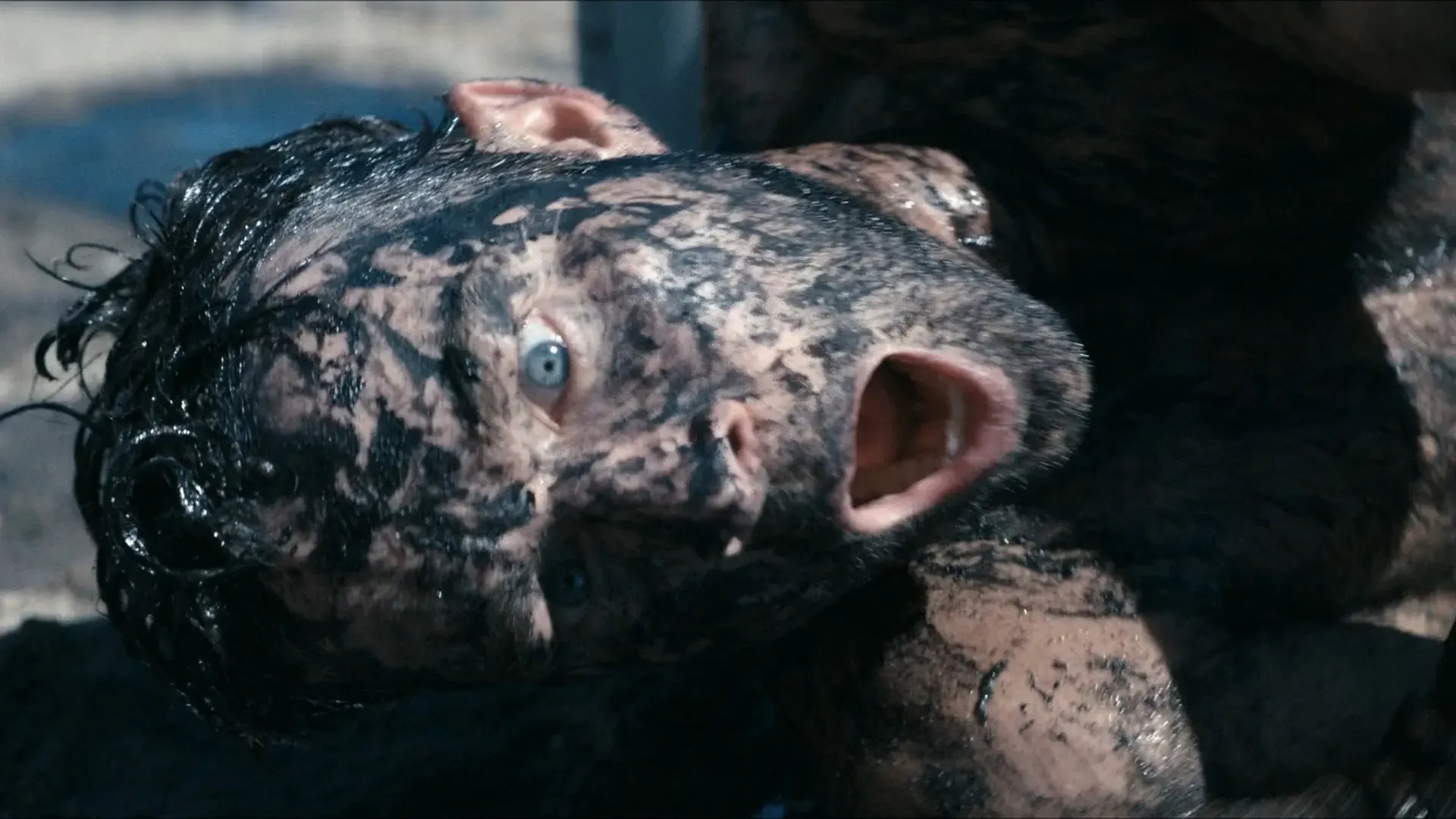
Elsewhere, the episode's secondary dynamics are worth highlighting, particularly the interactions between The Deep and Black Noir, as well as everything from the ecological disaster involving the oil pipeline to the show's corporate propaganda satire. Acting on orders from Sage and Homelander, The Deep stars in a promotional campaign for Vought's "fish-safe" Alaskan oil pipeline, which subsequently explodes and kills countless marine creatures. In one particularly absurd moment, he sprints along the shoreline attempting CPR on a dying carp named Jeremy.
Beneath the grotesque humour lies Black Noir's revenge and the pair's complete inability to understand one another's values. After The Deep murdered director Adam Bourke in the previous episode, the consequences arrive in spectacular fashion. He eventually tracks Noir down in a studio and kills him—swiftly and brutally. It is a tragic end for a character who, across multiple seasons, never truly received a defining story of his own. In that regard, The Boys remains consistent: if a character fails to become important quickly enough, they are likely to die before they ever get the chance. The entire subplot ultimately feels like another familiar entry in the show's established playbook.
Increasingly, the series appears torn between telling its main story and laying the groundwork for future spin-offs. This becomes particularly apparent through the constant references to Marie Moreau from Gen V. Her absence from the final season is beginning to feel increasingly strange given how dramatically the spin-off expanded the scope of her abilities. Marie has long since evolved beyond being a simple variation of Victoria Neuman's blood-manipulation powers. She can literally rewrite living tissue at a cellular level—curing degenerative brain diseases, restoring destroyed organs and regenerating severely burned bodies.
And this is where a major problem emerges within The Boys universe. If a character can manipulate biology to such an extent, a logical question arises: why is Homelander still alive? The series is either forced to keep Marie as far away from the main conflict as possible or will eventually have to artificially limit her abilities, because otherwise her very existence undermines the tension surrounding the search for a weapon capable of stopping Homelander. It is perhaps the clearest illustration of the franchise's current crisis: The Boys has expanded so much that it is beginning to break its own internal power structure and narrative stakes.
That said, the episode does contain one genuinely outstanding scene: Homelander's conversation with The Legend. It succeeds not because of spectacle or violence, but because of a sincerity the show rarely allows itself. The Legend is not afraid of Homelander. He does not pretend to be a hero, nor does he try to outmanoeuvre him. He simply looks at him with pity and describes him as a mad talent. Homelander's reaction is telling. He spares The Legend precisely because, for the first time in a long while, he encounters honesty rather than fear. It may well be the episode's finest moment—quiet, simple and far more powerful than most of the season's action sequences.
The problem is that The Boys' fight scenes have not been genuinely inventive for quite some time. Increasingly, combat boils down to characters throwing one another across rooms, while the creative team compensates for the lack of visual imagination with shock value, bloody grotesquery and sexual absurdity. The retirement-home sequence, in which one elderly Supe uses his own sagging genitals as a weapon, perfectly encapsulates the show's current state. The series still wants to shock its audience, but viewers have long since become accustomed to this level of insanity. Ironically, the most emotionally resonant moments in the episode are not the violent ones, but the brief human interactions between its characters.
Episode six is simultaneously the season's most important instalment and the clearest illustration of its flaws. On paper, the stakes have never been higher: Homelander is now even more powerful, the virus no longer appears viable, Soldier Boy remains unpredictable, and The Boys have completely lost control of the situation. Yet the series increasingly resembles a story that does not know how to reach its own conclusion organically. The Boys remains capable of delivering strong scenes, sharp satire and effective emotional beats, but between those moments the fatigue of an overextended franchise becomes increasingly difficult to ignore. After years spent expanding its universe, the show now finds itself trapped between concluding its story and advertising the next chapter.
Final thoughts
The sixth episode's biggest problem does not lie in any individual plot decision but in the season's overall architecture. The Boys is attempting to function simultaneously as the conclusion of a story and as a launchpad for the next wave of franchise expansions. As a result, every major narrative development feels less like a resolution and more like a stopover on the way to another project. Even as the stakes objectively rise, the sense of closure never arrives.