The final season of The Boys opens with an episode that brings the series back to its best: high stakes, biting dark humour, and a palpable sense of an inevitable end. Once again, the show takes aim at the superhero genre, politics, and society—evolving from satire into something that feels almost prophetically relevant to the modern world..
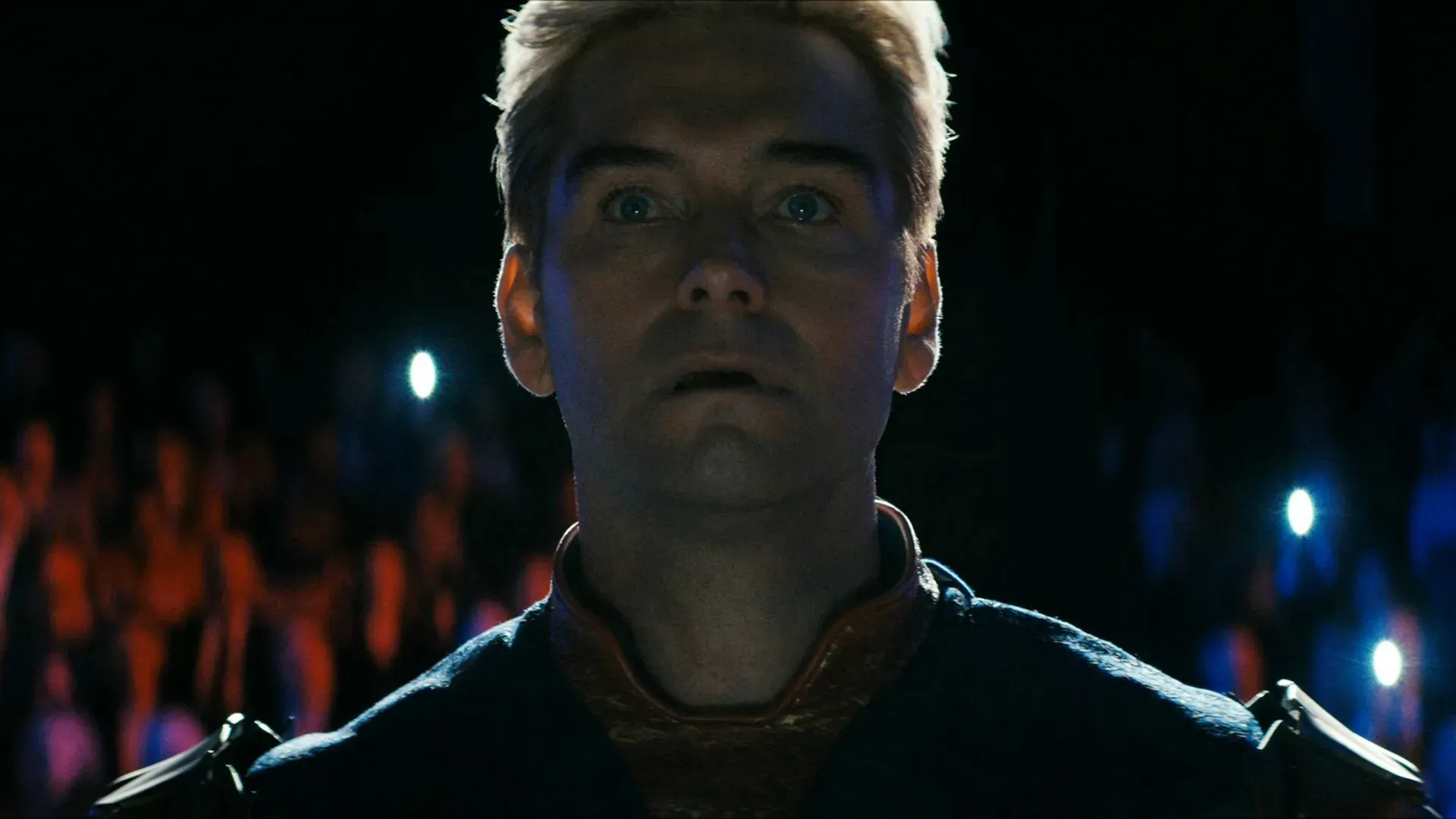
The premiere episode of Season 5 titled "Fifteen Inches of Sheer Dynamite" is strikingly strong. This is one of those rare moments where a series fully regains its sense of momentum. The episode is dense with narrative developments, alive with energy, and every scene serves a purpose—whether advancing the plot, deepening emotion, or reinforcing the atmosphere of an approaching final confrontation with Homelander and the Vought's corporation lies. This was precisely what Season 4 lacked. That instalment often felt like extended setup—overly cautious, deliberately restrained, with the creators clearly buying time rather than taking risks. It relied heavily on familiar tropes, giving the impression of "not yet". Now, it's very much now—and you can feel it immediately.
When satire stops being a joke
The Boys has now reached the brink of its apogee. The stakes have never been higher, and what began in 2019 as a subversive take on superheroes and corporate power has, by 2026, become an eerily accurate reflection of contemporary reality. The irony is simple: the show hasn't changed—the world has caught up with it. Its sharp satire of politics, media manipulation, and collective denial now mirrors real-world anxieties, from disinformation and deepfakes to the unsettling ease with which societies rationalise the unacceptable. Like a goldfish with a short memory, people are willing to ignore or excuse almost anything for the sake of comfort.
The series has become less about superheroes and far more about people and systems. It is no longer just a dark comedy but an overt political satire with a disturbing sense of realism. What once felt like exaggerated cynicism now plays as plausible—if not inevitable. What began as an exploration of the dark side of superheroes has evolved into a prophetic satire of the present—set in a slightly altered reality, which only makes it more unsettling. Season 4, two years ago, seemed to foreshadow political developments in the United States; Season 5 goes further still, pushing beyond the present to suggest an increasingly idiocratic future for both America and the wider world.
A return to where it all began
The callbacks to the first season and the characters' long journey feel entirely earned—this is, after all, the endgame. Character arcs are beginning to close: Butcher's father last (?) appearance, Queen Maeve's return (?) is anticipated closer to the finale, Kimiko speaks—marking a meaningful step in her development. Kimiko's voice works on multiple levels: as comic relief, as a grounding presence, and as a sceptical observer—almost a stand-in for the audience. She cuts through the chaos while also exposing the absurdity of certain decisions, particularly those made by Billy Butcher. And yet, as always, Butcher may be extreme—but he is not wrong. His radicalism no longer feels like excess, but rather a response to a world spiralling towards total control and systemic deceit. Inaction is no longer an option; change does not come without resistance.
⚠️ Spoilers | The end of the line
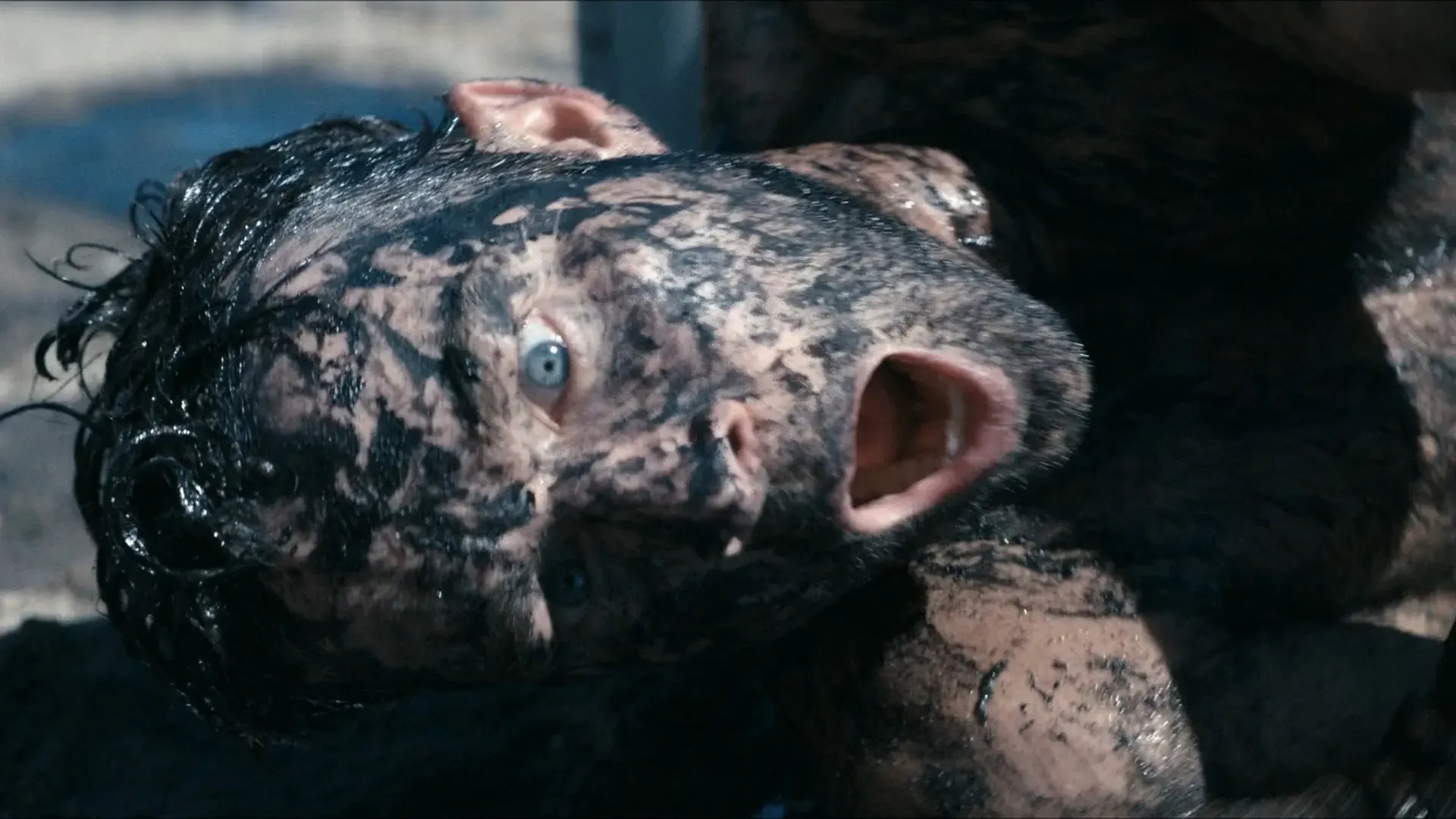
A-Train's death is one of the episode's most powerful moments—and one of its most ironic. I didn't expect it to happen so soon, at least not until Homelander began chasing him. It seemed more likely he would linger a while longer, especially after being injured while saving Hughie and the team from Freedom Camp. But the way it unfolds is thematically perfect.
Eric Kripke completes the circle that began in the very first episode: A-Train, who once shattered Hughie's life by running straight through his girlfriend, now chooses not to run through another innocent person. He has changed. And he dies. After saving his former enemy, he is no longer the selfish speedster he once was. This time, A-Train "derails"—but not out of fear. He is no longer afraid of Homelander, nor of death itself. Spiritually, he has already found redemption. It's one of the strongest scenes not just of this season—still only at its beginning—but of the entire series.
Final thoughts
The first episode of the final season is exactly the kind of opening fans were hoping for. The show has become harder to watch—not because of the violence (audiences are long accustomed to that), but because of how uncomfortably close it feels to reality. And that, perhaps, is The Boys' most significant transformation. There is no slow build-up here. No compromises. No illusions. The creators are no longer playing with satire, the series has outgrown it.