If the first episode of the final season of The Boys came out swinging and hit the nerves at full speed, then the second—"Teenage Kix"—eases off the pace slightly, but never loosens its grip. This is an episode about how even the best plan rarely proves good enough—and how, in this show, the past never stays buried in a body bag.
The episode opens with a sermon by Reverend Oh Father, in which A-Train is declared a martyr, while Starlight's supporters are portrayed as a demon-possessed mob of baby-eaters who forcibly change children's gender. It is excessive even by Homelander's standards, yet he watches in silence and allows the propagandistic spiritual spectacle to unfold, because it serves the agenda and helps maintain stability. The sarcastic precision with which the writers recreate the rhetoric of religious fundamentalism feels strikingly familiar.
The Virus, Soldier Boy, and Gen Z
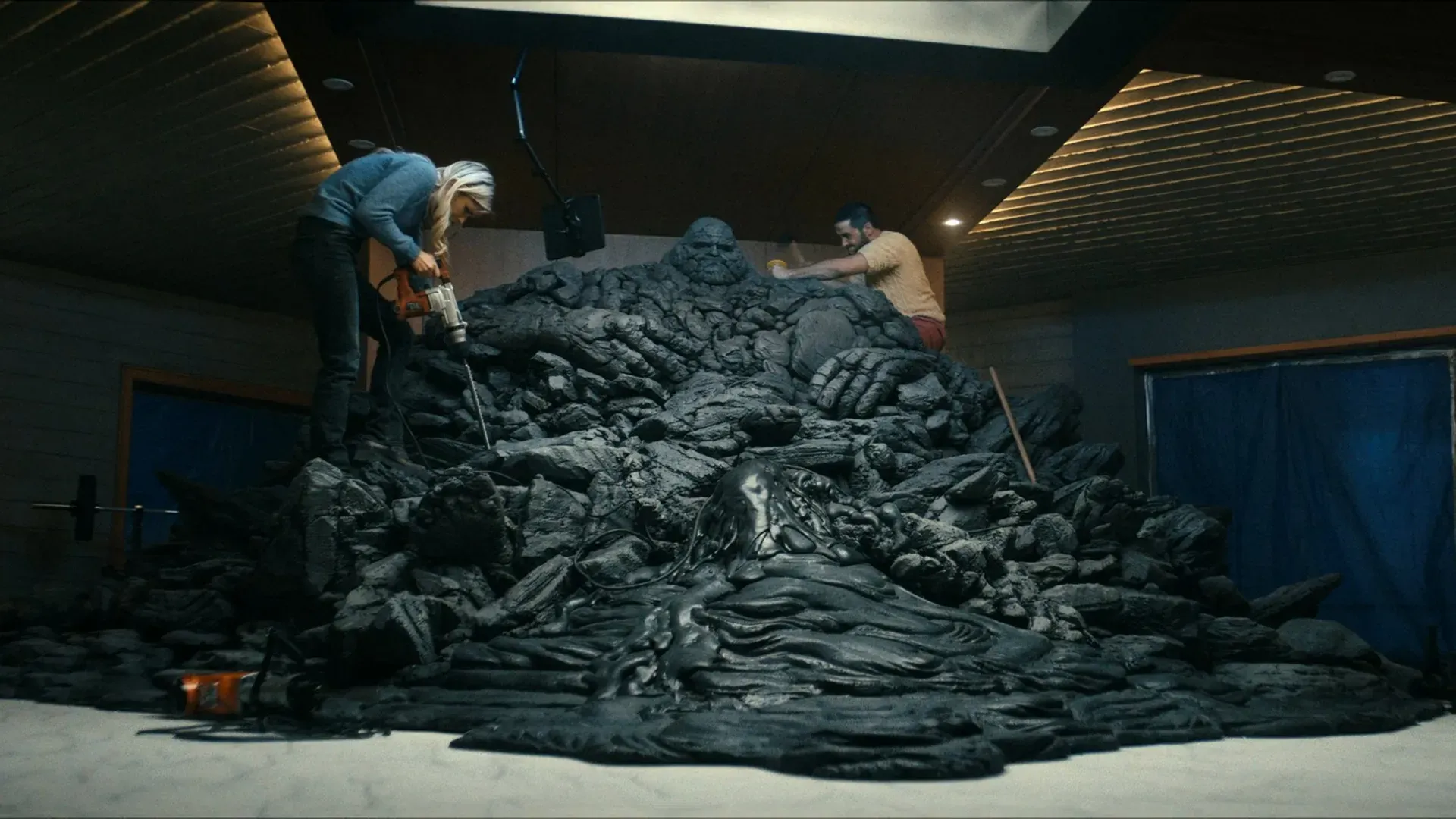
The episode's central thread revolves around testing the virus designed to kill Supes. Near Butcher's secret lab in Pennsylvania lives a group of super-influencers known as Teenage Kix. One of them, Rock Hard, seems like the perfect guinea pig. The only problem is that, by the time the protagonists meet him, he is long past his prime, weighs God-knows-how-many kilos, and is completely immobilised in the basement of the mansion (Vladimir Harkonnen, is that you?). The character is clearly a parody of The Thing—Ben Grimm of Marvel's Fantastic Four—taken to absurd extremes with the show's trademark taste for grotesque disgust.
Teenage Kix as a whole is a sharp satire of influencer TikTok houses—those "collab mansions" where dozens of creators live together producing content. Sheline, Jetstreak, and Countess Crow film endless social media clips, promote Turbo Rush energy drinks, and push other Vought merchandise. (Incidentally, the QR codes that appear in the show redirect viewers to actual videos; I love touches like that from the creators.) When Marvin tells Butcher how much these Gen Z bloggers make per post, Karl Urban's reaction is perfectly pitched.
Homelander increasingly resembles a narcissist in the midst of a full-blown identity crisis, to the point that he decides to thaw out his father. The return of Soldier Boy is likely the key event of the episode and an obvious prelude to the spin-off Vought Rising, the prequel series set to explore the rise of the corporation and the origins of superheroes in the 1950s.
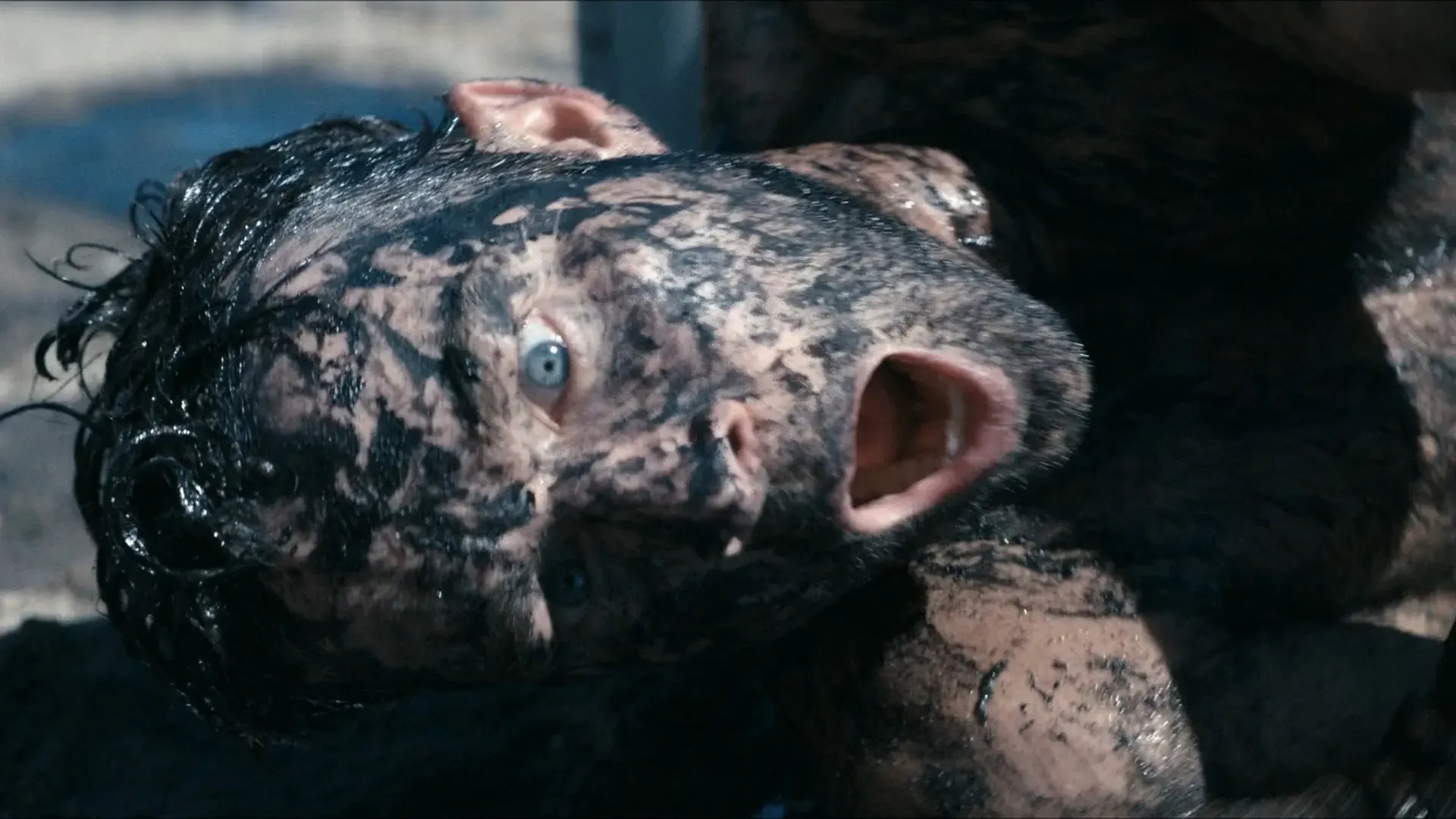
The episode's final scene delivers its main plot hook: the virus works on Rock Hard and Jetstreak, but the very first Supe—created by Frederick Vought in the 1940s—who was caught at the centre of the drug's effects and presumed dead, rises in the final shot from inside a body bag.
Plot weaknesses
This turn of events shatters any hope of a straightforward resolution, because if the virus failed to kill a first-generation Supe, there is no guarantee it will kill Homelander. Or, conversely, Soldier Boy's return may help Homelander create a vaccine. And that is, in truth, an immediate plot flaw that stands out at once: the bodies containing traces of the virus were left behind by the Boys at the scene, which means the hundreds of Vought scientists with virtually unlimited funding should be fully capable of analysing them. Realistically, everything should have been burned to the ground—but logic is sometimes sacrificed in favour of spectacle. In this show, reason occasionally bends to entertainment rather than common sense.
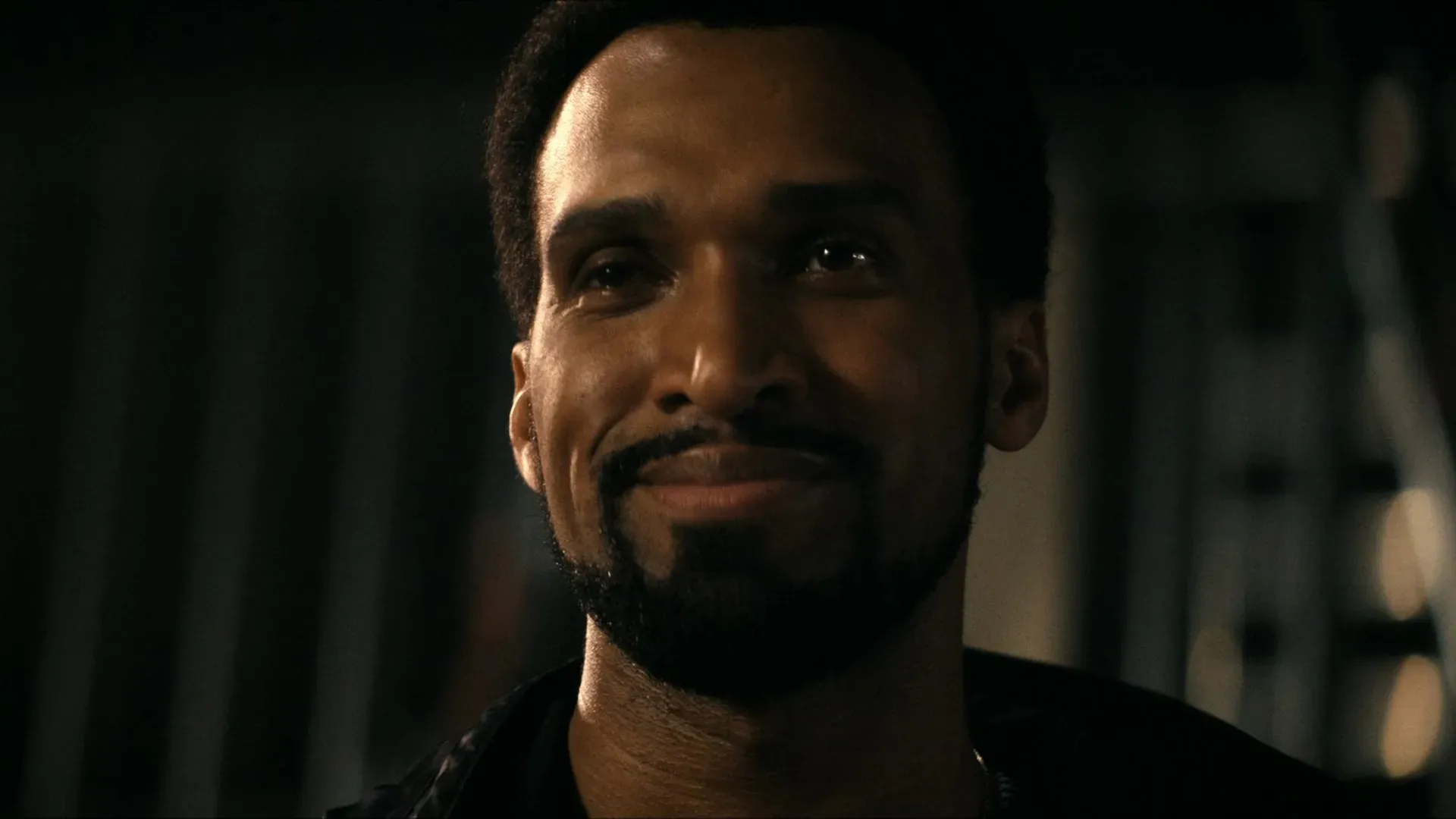
Character arcs also develop unevenly. Starlight, who grows morally darker with each episode, is now prepared to sacrifice Countess Crow for the sake of the mission. It is arguably the most interesting transformation in the episode. Countess Crow, despite all the performative gothic theatrics, turns out to be simply a vulnerable young woman with mediocre powers, trying to hide her insecurity behind the mask of a mistress of darkness. Marvin shows her compassion, which is telling, as it illustrates the deep fractures within the team.
Frenchie and Kimiko kiss and make love everywhere—and it is wonderful, yet also unsettling: in The Boys, the tenderest moments most often precede the greatest pain. In fact, it is a classic dramatic trope that signals approaching tragedy. Meanwhile, Hughie and Butcher's arguments remain characteristically powerful, but at their core they are still the same dispute repeated season after season. The show keeps circling this dynamic instead of pushing their relationship into new territory.
Final thoughts
From a technical standpoint, the episode is not flawless either. Some action scenes suffer from chaotic editing and shaky camerawork, making them difficult to follow. That is unfortunate, because the potential for visually striking confrontations was clearly there. Even so, despite these shortcomings, the second episode feels like a narrative step forward. It still maintains momentum and creates the necessary sense that the story is moving toward its inevitable finale. The Boys may no longer shock in the way it once did, but it continues marching ahead with confidence.