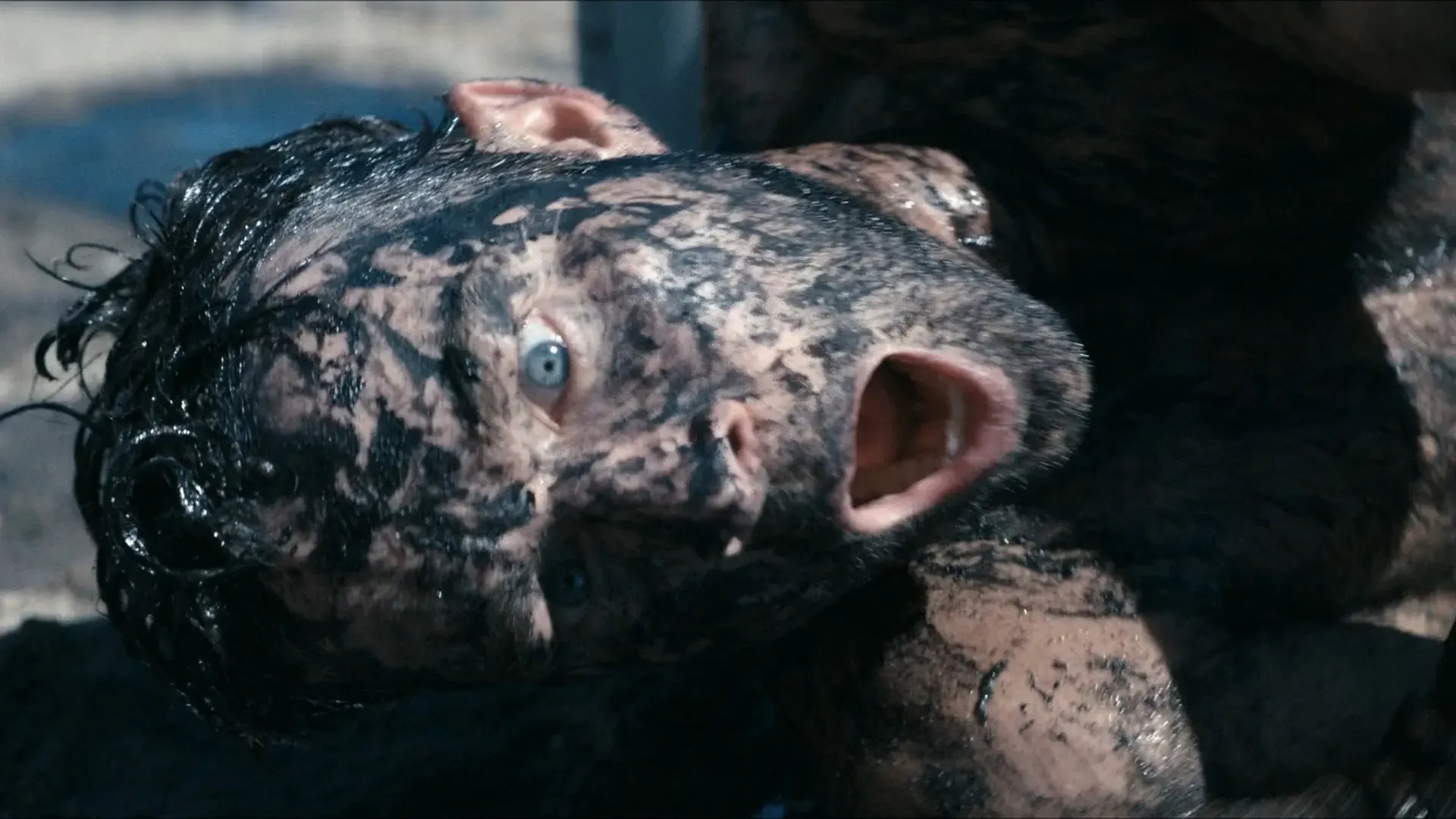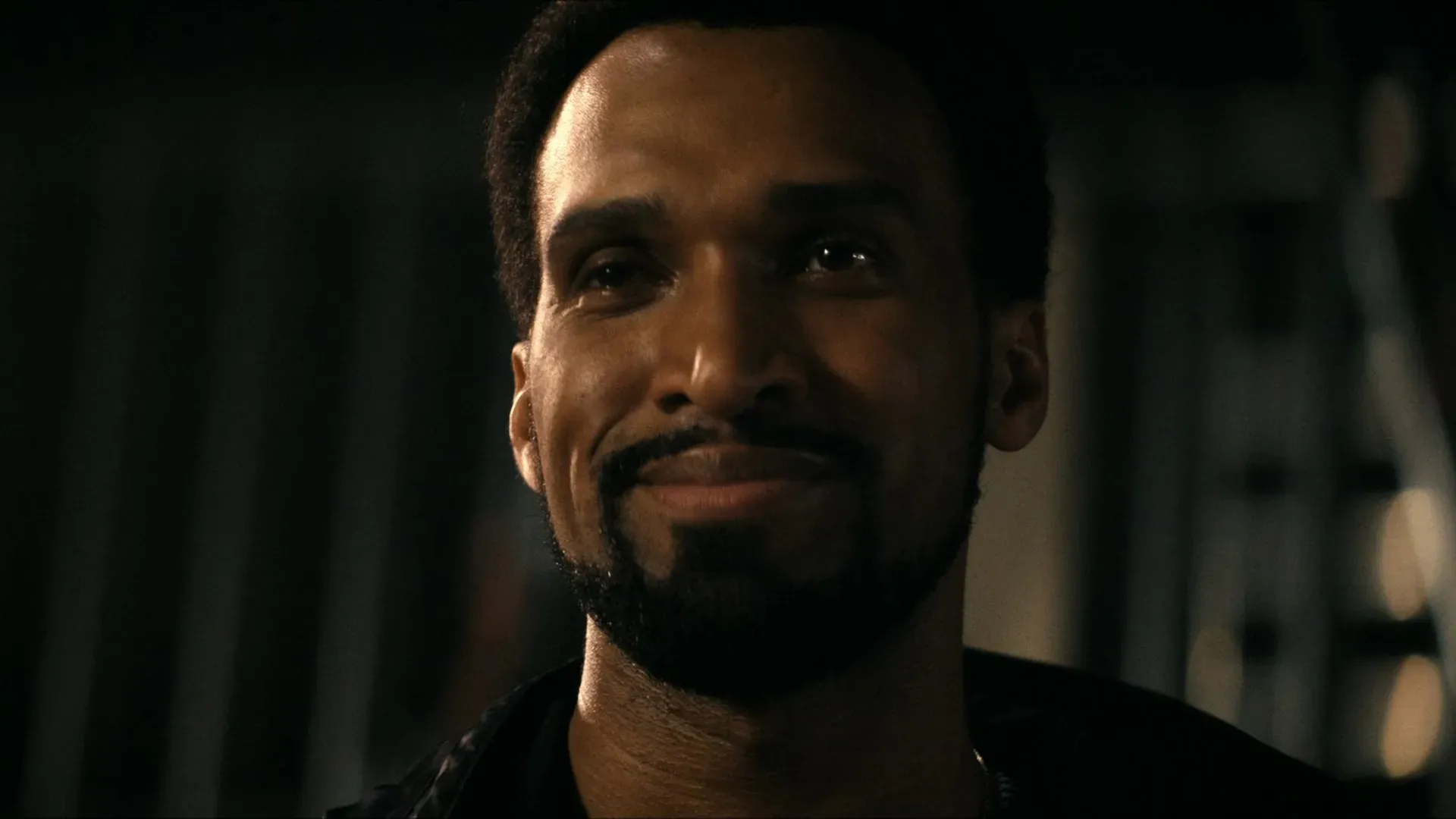

The third episode of the final season of The Boys opens exactly where the previous one left off: with Soldier Boy resurrected inside a body bag and a team left with more questions than answers. The episode, titled "Every One of You Sons of Bitches", quickly explains how the original Supe survived — his older version of Compound V turned out to be incompatible with the virus, meaning the virus itself is no longer the ultimate solution everyone had hoped for. Instead, the story pivots towards a new objective: V1, Frederick Vought's original formula, which could either destroy Homelander or make him unstoppable, depending on who gets to it first.
This escalation of stakes works on a surface level: the episode gains momentum as both sides race to secure the original V compound — the legacy of Vought's first generation of superheroes — which now becomes the season's new MacGuffin, a plot device that drives the story forward and motivates the characters despite being interchangeable in narrative terms. First there was Compound V, then Temp V, then Soldier Boy as the weapon against Homelander, followed by the virus that was positioned as the ultimate threat to Supes. Yet by episode three, that entire setup is already being pushed aside in favour of yet another narrative device: the original V1 formula. The issue is not the concept itself, but how quickly the script undermines its previous stakes. Soldier Boy surviving the infection is explained away with a single line about the first variation of Compound V, as though the writers were scrambling to avoid ending the conflict too early. It creates a strange feeling that the show keeps moving the finish line further away, almost as if it is afraid of reaching a logical conclusion.
Despite this, the episode is not without its strong moments. Homelander slowly loses his grip on reality inside his penthouse. His psychological collapse takes on an almost religious quality: hallucinations involving Madelyn Stillwell, paranoid reactions to camera flashes, and a constant oscillation between a god complex and the mentality of a traumatised child. It is simultaneously absurd and disturbingly convincing. Homelander increasingly stops feeling human — not because of his powers, but because his entire internal foundation is crumbling apart. The series handles this descent rather effectively, pushing him towards a point where his fear of losing control becomes stronger than his desire to dominate.
Where the episode actually works
The confrontation between Homelander and Ryan — father and son — is handled with the right amount of restrained pain and cruelty: no sentimentality, only the quiet inevitability of separation. Ryan's storyline is what gives the episode whatever emotional weight it manages to carry. After Butcher effectively convinces the boy to sacrifice himself in order to infect Homelander with the virus, the narrative begins exploring not merely a father-son conflict, but the very nature of inherited violence. Ryan learns the truth about his conception and attempts to confront Homelander on his own, yet the encounter ends in near-inevitable humiliation. Although the fight itself relies more on dramatic tension than action choreography, it remains the strongest scene in the episode precisely because of its emotional subtext.
The dynamic between Soldier Boy and Firecracker, built around mutual old-fashioned snobbery and arrogance, injects something lively and faintly comedic into the story. Meanwhile, The Deep betraying Black Noir for yet another chance to earn Homelander's approval once again highlights the defining trait of his personality: sycophancy. This more honest portrayal of The Deep is far more engaging than the redemption arc the series unsuccessfully tried to force onto him in earlier seasons. Unfortunately, after five seasons, the character still cannot escape functioning primarily as comic relief. On one hand, it could be argued that the writers failed to fully realise his development; on the other, perhaps not every person is capable of dramatic transformation for better or worse. Some people simply remain trapped within their own paradigm. In The Deep's case, he is ultimately just an opportunist trying to survive, maintain status, and secure his place in the hierarchy around him.
Where the cracks begin to show
By the third episode, the cracks that were previously easier to ignore become far more visible. First and foremost, the virus — which occupied a substantial portion of the previous episode and was framed as the central plan — is effectively neutralised within a single scene. The rest of the storylines consequently feel much weaker by comparison. This is especially true for The Boys themselves, whose internal dynamics once again fall back into repeating old conflicts. Hughie and Butcher's arguments no longer feel like character progression; they resemble a ritual the show mechanically reproduces every season. Starlight makes impulsive decisions solely to manufacture additional tension between characters. Kimiko, once one of the show's more grounded and sympathetic figures, now behaves with such naïveté and irresponsibility that it borders on narrative convenience — a regression rather than development. Frenchie, meanwhile, has been reduced almost entirely to a generator of sexual jokes. At times, it genuinely feels as though the show no longer knows what to do with several of its characters in this final season.
The episode's internal logic becomes increasingly difficult to ignore as well. The Boys has always embraced narrative convenience, but here it becomes excessive even by the series' own standards. The team manages to locate and decipher Vought's secret archives within hours — archives that a corporation with virtually unlimited resources supposedly failed to access for years. The only person who understands how the virus actually works simply disappears from the narrative after its destruction. Sameer and Zoe Neuman casually walk away and will presumably reappear half a season later whenever the plot requires them again. Hughie's conflict with Maverick, Translucent's son, had the potential to become genuinely painful and morally complex, yet it resolves so quickly and without consequences that the entire subplot loses meaning.
The series increasingly relies on what can only be described as "talk no jutsu", where a brief monologue instantly changes a character's motivation. Stan Edgar, Ryan, and even several secondary characters constantly shift emotional positions after just a few lines of dialogue, as though the writers no longer wish to spend time developing these transitions convincingly. It becomes symptomatic of the entire episode: several major turning points occur simply because someone gives a speech.
If the show's vulgarity once functioned as part of its satire, it now increasingly feels mechanical. The Boys has always been crude, violent, and intentionally grotesque, but there used to be a clear purpose behind it. Now, the series occasionally feels like a project repeating its own tricks simply because they worked before. Even the action sequences are losing creativity: the assault on Stan Edgar's bunker is filmed chaotically, with shaky camerawork and minimal inventive use of superpowers. This is particularly noticeable compared to earlier seasons, where even the most absurd scenes still possessed a strong visual identity.
Final thoughts
After two episodes that confidently accelerated the story and created the feeling of a grand finale approaching, the show suddenly begins stumbling over its own narrative structures. Ironically, the very series that spent years mocking superhero franchises for endlessly layering secret weapons, miracle formulas, and forgotten threats from the past is gradually turning into the thing it once parodied.
The third episode still keeps the season moving and functions as narrative groundwork for the final stretch. At the same time, however, it is the first real indication that the show's conclusion may begin relying too heavily on familiar formulas precisely where the writers should be taking risks. The Boys are still moving forward, but those steps are becoming smaller and increasingly predictable. Hopefully, this is merely a temporary pause before everything finally explodes.