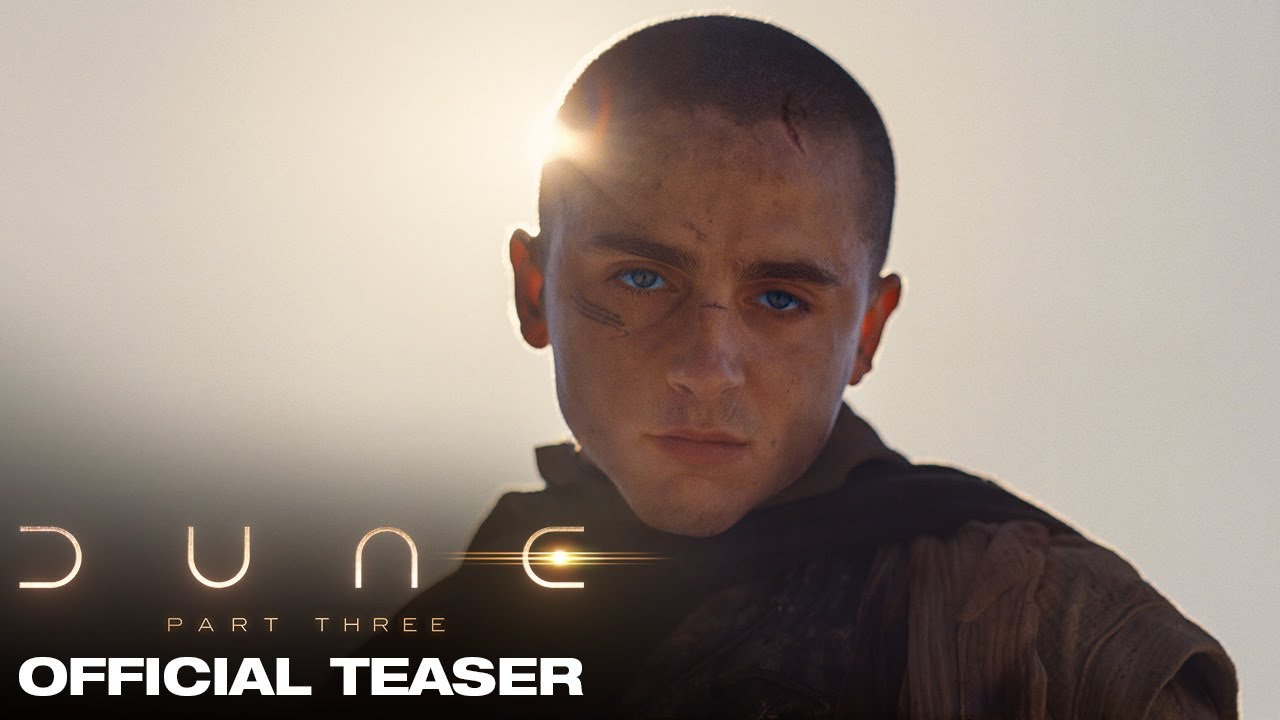
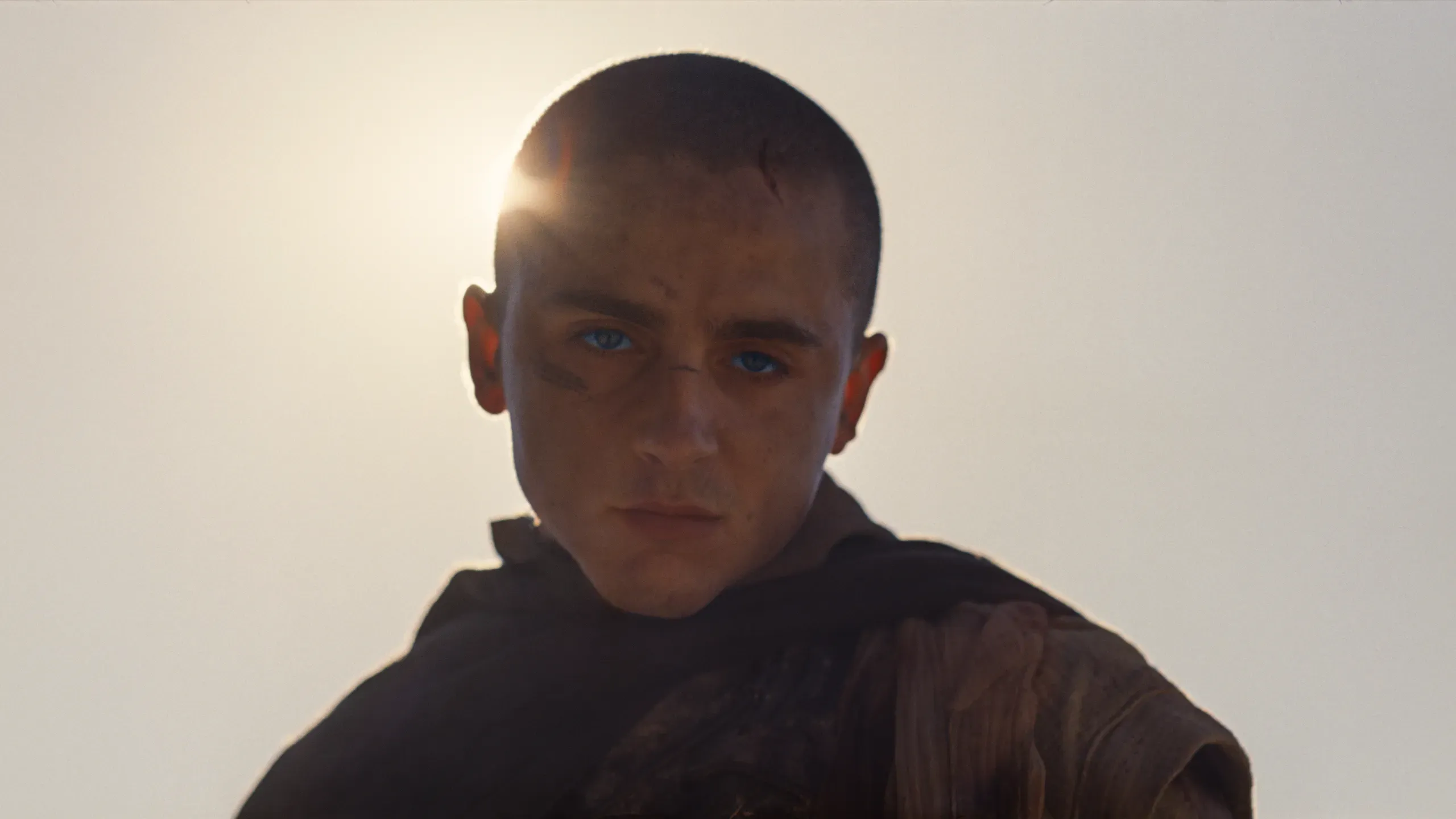
Denis Villeneuve returns to finish what he started: Dune: Part Three — the final chapter of his epic sci-fi saga — is set to arrive in cinemas on 18 December 2026.
Notably, the release date coincides with another major blockbuster, Avengers: Doomsday, a clash already dubbed "Dunesday" online — a clear nod to the Barbenheimer phenomenon.
After Dune (2021), which focused on building the world, and Dune: Part Two, which elevated the story into a global cinematic event, the third instalment will serve as the saga’s grand finale — and its most daring chapter yet.
Darker than ever before
Dune: Part Three adapts Frank Herbert’s 1969 novel Dune Messiah. In both tone and pacing, it marks a sharp departure from the previous films — the book deliberately dismantles the heroic archetype established in the earlier chapters.
The story unfolds 17 years after the Desert War (12 years in the original novel). Paul Atreides, now the Padishah Emperor, leads a Holy War that has spread across the Known Universe. But power and prophecy come at a cost — and this time, victory is far from guaranteed.
⚠️ Spoiler warning: plot details from Dune: Part Three and Dune Messiah follow.
Crucially, the threat this time is not confined to the battlefield — it grows in the shadows. In Dune Messiah, a conspiracy forms against Paul, involving several factions of the empire, including representatives of the Bene Tleilax — a secretive bioengineering civilisation. Among them is Scytale, a Face Dancer capable of altering his appearance and infiltrating systems unnoticed. In the film, he will be portrayed by Robert Pattinson.
One of the conspiracy’s key tools is the ghola — an artificially recreated human, a clone grown from the cells of the deceased, but stripped of their past memories. At the centre of the story is the ghola of Duncan Idaho, through whom Paul is targeted not physically, but psychologically — setting off a chain of devastating consequences.
At the same time, the political tensions intensify. Princess Irulan, played by Florence Pugh, now the wife of Muad’Dib, moves into the spotlight. As a member of the Bene Gesserit, she finds herself torn between personal ambition, the demands of the Sisterhood and her complex relationship with Paul.
The Bene Gesserit continue to play one of the universe’s most crucial long games — control over lineage. The order seeks to shape the future of the empire through the Atreides bloodline, and Irulan becomes a key instrument in that strategy.
Villeneuve has described the third film as a tonal shift: if the first was a coming-of-age story and the second a war epic, Dune: Part Three leans into the territory of a tense psychological thriller. At its core is Paul Atreides confronting the consequences of his own power — and attempting to break free from the cycle of violence.
Despite the darker tone, the story remains deeply personal. The relationship between Paul and Chani becomes the emotional backbone of the film. Following the events of Part Two, their bond grows significantly more complicated.
“Dunesday”
On 18 December 2026, two of the year’s most anticipated films will hit cinemas simultaneously — and both Timothée Chalamet and Robert Downey Jr. have already jokingly suggested the name “Dunesday”, referencing the viral success of Barbenheimer.
Cinemas are bracing for a genuine box office showdown. Unlike Barbenheimer, where the two films targeted different audiences, both December releases appeal to a similar demographic — making the competition even more intense.
The Dune franchise has shown strong box office growth: the first film grossed $410 million despite a simultaneous HBO Max release, while the second, released exclusively in cinemas, became a major hit with $714 million worldwide. This trajectory suggests that the third instalment could set a new record for the series.
Villeneuve’s final word
For Denis Villeneuve, this film will mark a personal farewell to the franchise. The director has confirmed that he does not intend to continue working within the Dune universe beyond the third instalment. However, the universe itself is far from over: the series Dune: Prophecy continues, while Warner Bros. and Legendary are reportedly exploring further expansions.
A logical next step could be an adaptation of Children of Dune, the novel that shifts focus to Paul’s descendants. For now, however, all eyes are on December 2026.
Dune: Part Three is more than just the conclusion of a trilogy. It is Villeneuve’s attempt to deliver the saga’s central message: no messiah can save humanity from itself. Frank Herbert wrote it in 1969 — and today, it feels more relevant than ever.