Cinema is the art of control. A script is revised dozens of times, scenes are rehearsed, explosions are timed down to the millisecond. It seems like there’s no room for accidents.
And yet it’s exactly mistakes, improvisation, and technical glitches that gave us some of the most famous moments in film history. A line that wasn’t in the script. A scream that didn’t need acting. A pause caused by a delayed explosion. These scenes weren’t the result of planning — they happened in the moment.
Below are 12 accidental film scenes that became iconic. And these aren’t myths from Reddit — they’re cases confirmed by interviews, DVD commentaries, and the creators’ own recollections.
"The Lord of the Rings: The Two Towers" — a scream that didn’t need acting
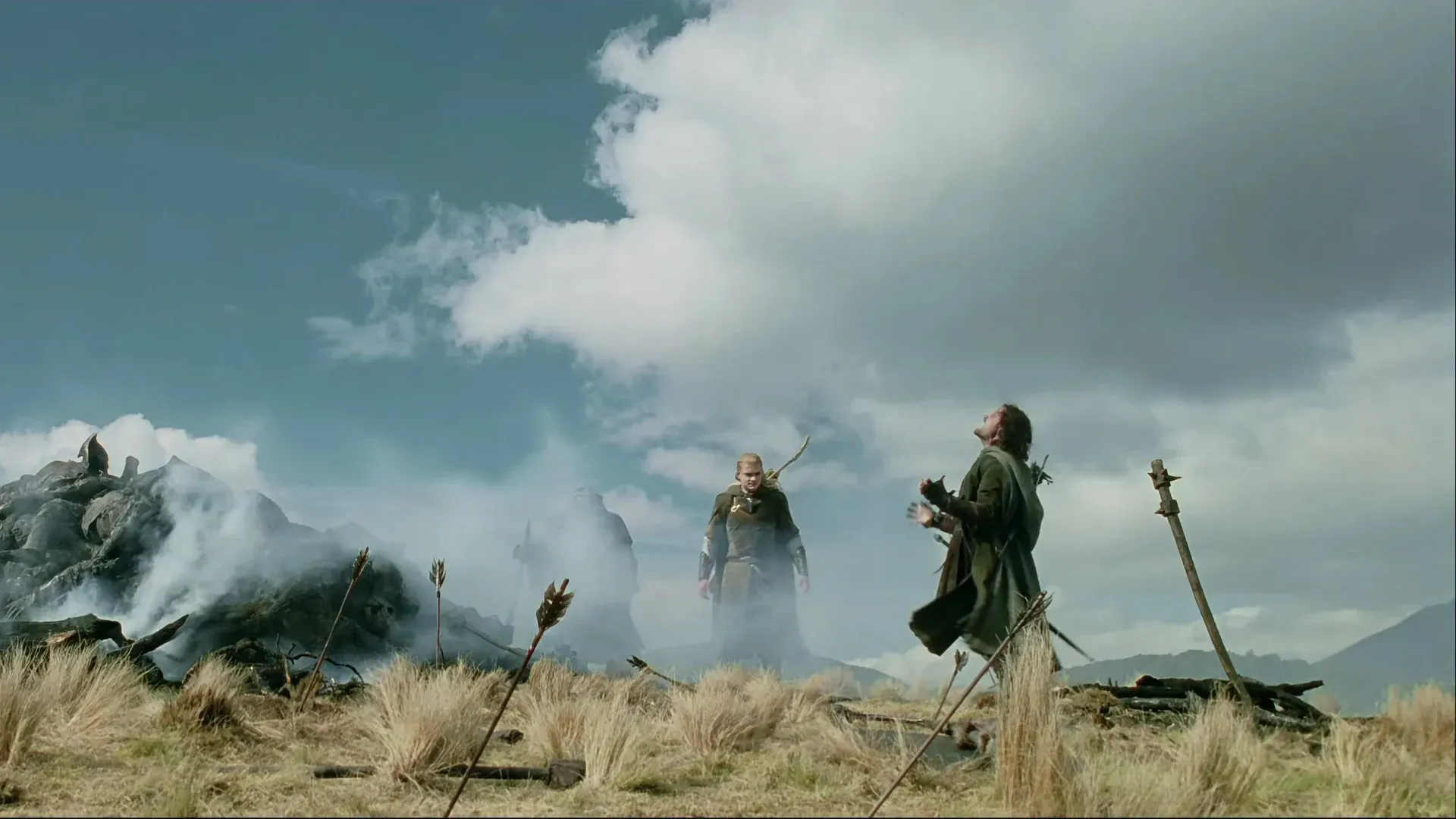
🎬 Scene context: After the Battle of Helm’s Deep, Aragorn finds a helmet among the bodies of his enemies. He thinks Merry and Pippin have been killed, steps aside, drops to his knees, and screams — a moment where the hero truly breaks for the first time.
🎥 What happened on set: Viggo Mortensen kicked a metal helmet at full force and actually injured (according to some accounts, broke) two toes. The scream in the take is real.
🧩 Why they kept it: In the DVD commentaries, Peter Jackson noted that the take captured an emotion you simply can’t fake.
"The Dark Knight" — the hospital explosion
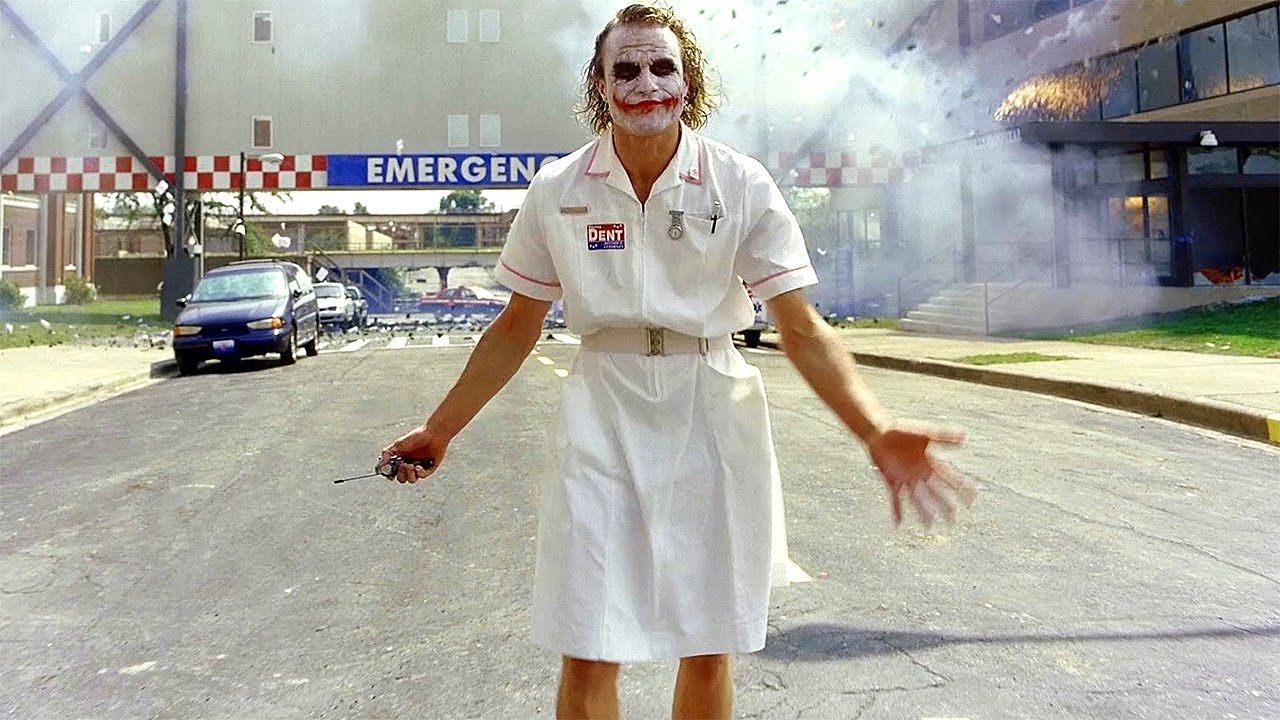
🎬 Scene context: The Joker, dressed as a nurse, walks out of the hospital and is supposed to blow up the building, calmly heading toward the bus.
🎥 What happened on set: The pyrotechnics didn’t go perfectly: there was a pause between charges. Heath Ledger didn’t break character — he started clicking the detonator, looking back, reacting nervously as if he couldn’t understand why his "toy" wasn’t working.
🧩 Why they kept it: Nolan kept the take because the pause and Ledger’s reaction added tension. Instead of a flawless explosion, the audience gets a moment of uncertainty.
"Taxi Driver" — the mirror talk
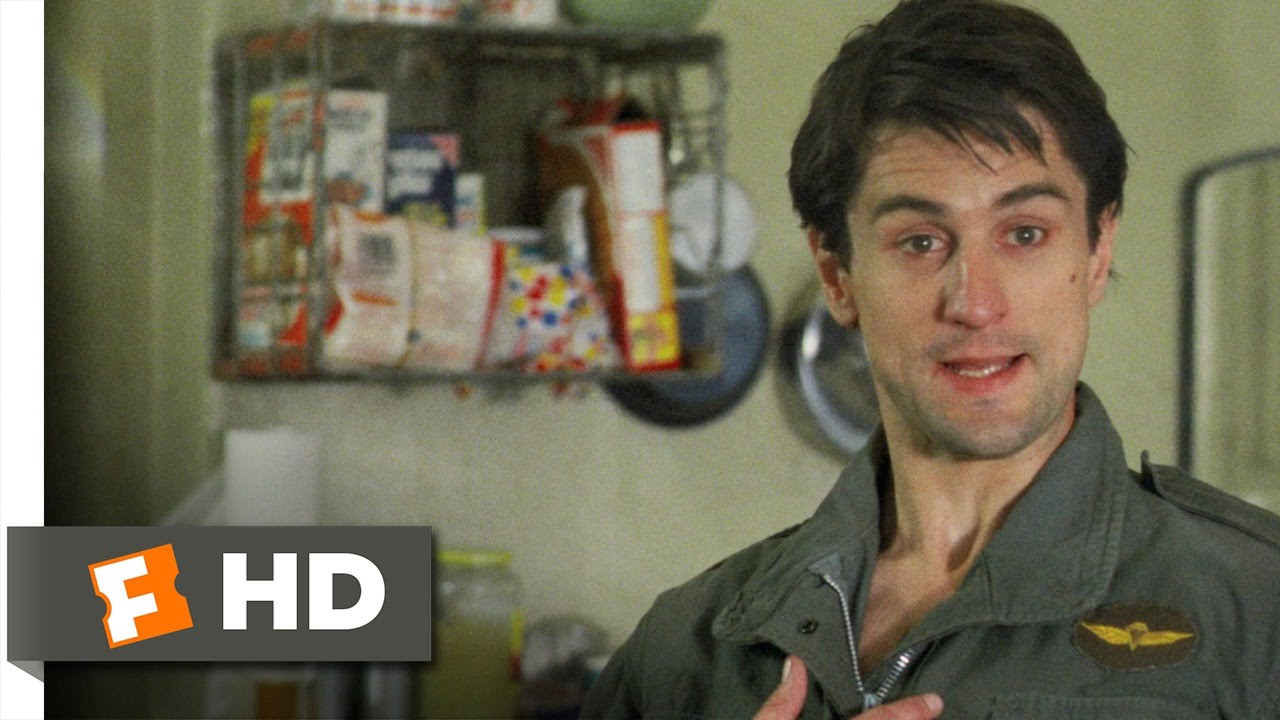
🎬 Scene context: Travis Bickle stands in front of the mirror in his apartment and imagines a confrontation with people he hates. He pulls a gun and starts a "dialogue" that turns into a threat — this is where the famous line appears: "You talkin’ to me?"
🎥 What happened on set: The scene wasn’t written in the script. Martin Scorsese simply asked Robert De Niro to say something in front of the mirror to fill the moment. De Niro began improvising — changing his intonation, inventing lines, behaving as if he were talking to a real person.
🧩 Why they kept it: The monologue suddenly revealed the character: Travis isn’t talking to an enemy — he’s talking to his own imagination. The scene showed his loneliness and instability better than any explanation, so they left it as is — and it became the film’s most famous moment.
"Alien" — the chestburster
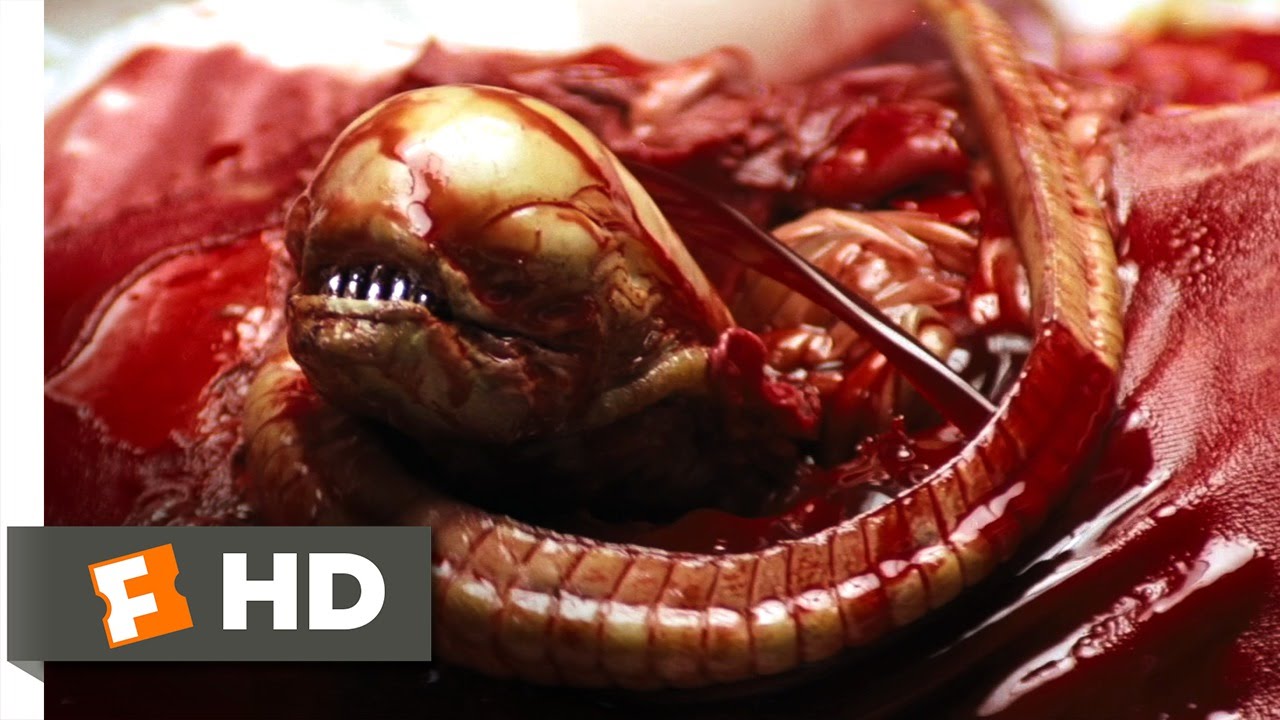
🎬 Scene context: The crew of the Nostromo is calmly eating after returning to the ship. Suddenly Kane feels sick — he collapses on the table, and a creature bursts from his chest, shocking everyone.
🎥 What happened on set: The actors knew something would emerge from the character’s body, but they didn’t realize how intense the effect would be. When the mechanism triggered and blood sprayed, the fear on screen was real — some actors recoiled instinctively, not as planned.
🧩 Why they kept it: Real emotions are what made the scene so disturbing. Ridley Scott wanted a documentary-like horror effect, and this take already delivered something impossible to replicate precisely.
"Django Unchained" — the bloody monologue
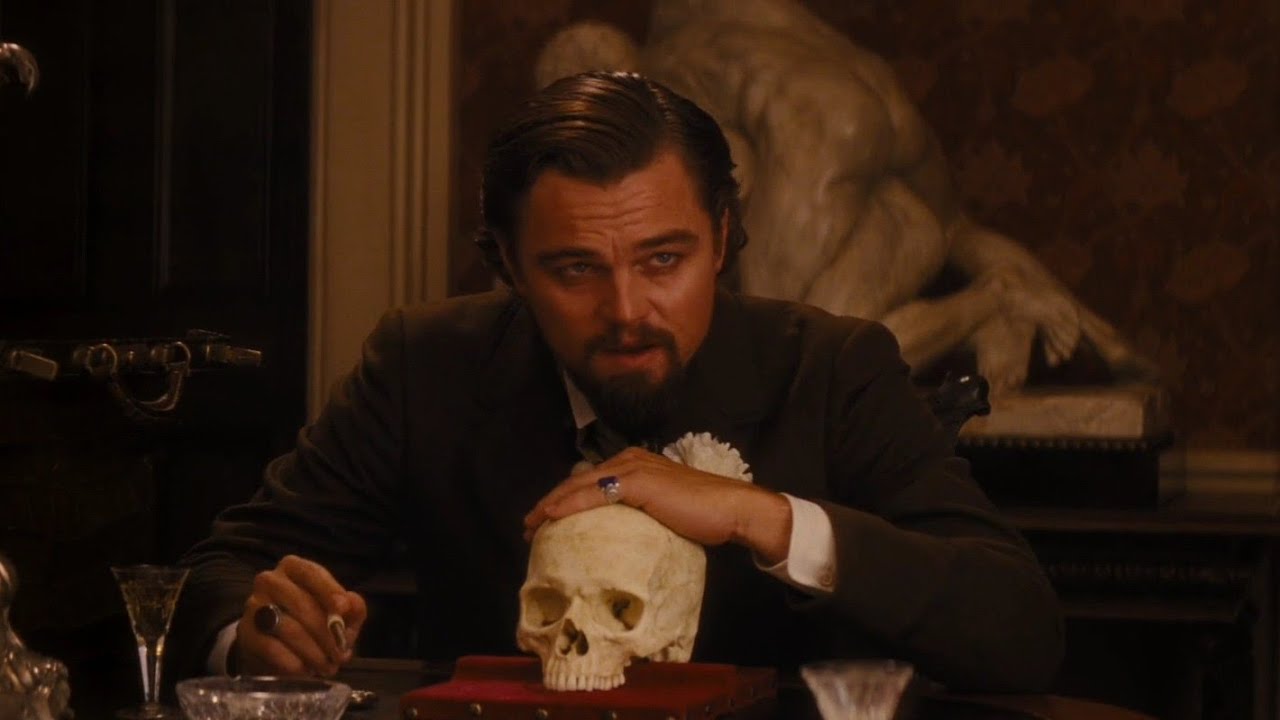
🎬 Scene context: During dinner, Calvin Candie delivers a speech about "natural hierarchy," gradually shifting into an open display of power over Django and Schultz. The scene is a peak of psychological tension.
🎥 What happened on set: Leonardo DiCaprio slammed his hand on the table and accidentally broke a glass. He cut his hand but didn’t stop the take and kept delivering the monologue. The blood in the shot is real.
🧩 Why they kept it: Quentin Tarantino confirmed in an interview with The Hollywood Reporter that they decided to use the take because of its intensity. They couldn’t recreate that same level of tension in later takes.
"The Usual Suspects" — the lineup
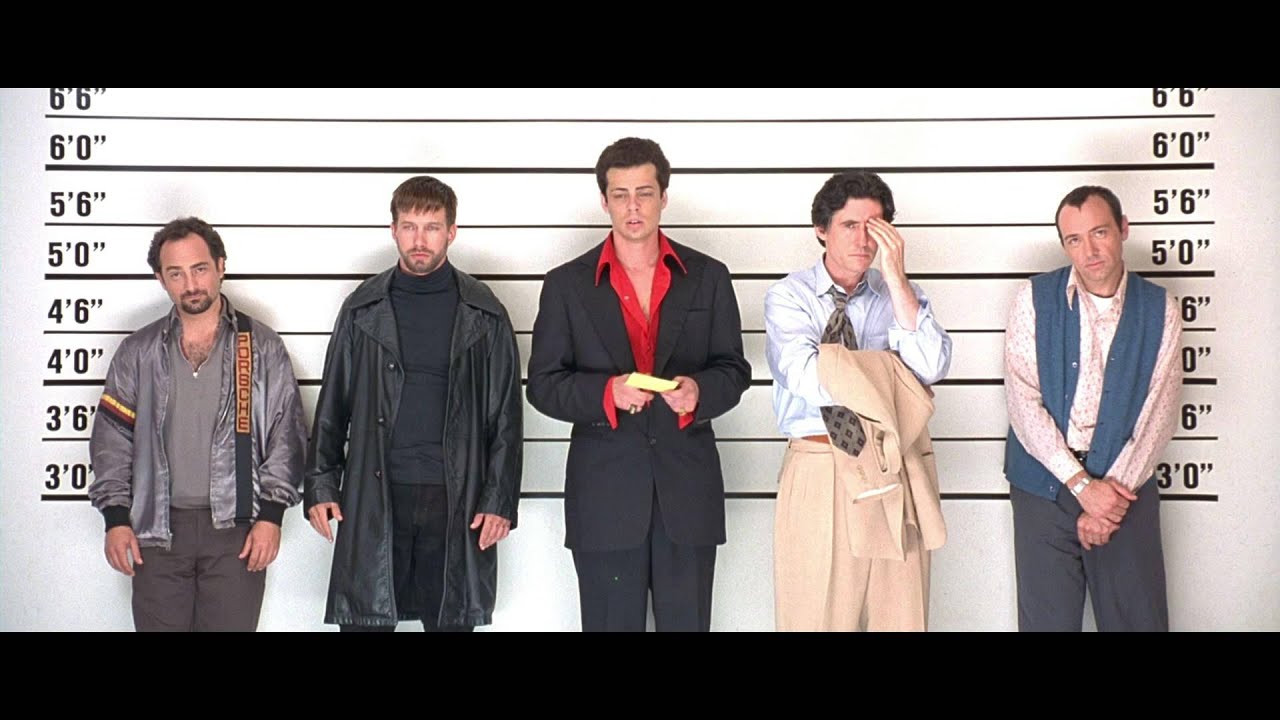
🎬 Scene context: Five suspects stand in a police lineup and repeat the line: "Give me the keys, you co***ucker." The scene was meant to be a standard identification procedure where everyone says the same phrase.
🎥 What happened on set: During takes, the actors kept breaking into laughter. According to Kevin Pollak and Stephen Baldwin, Benicio del Toro deliberately changed the cadence and intonation of the line, making the others lose it. The final cut uses a take with real reactions — the laughter wasn’t acted.
🧩 Why they kept it: Director Bryan Singer chose it because it felt more natural. Instead of a formal police procedure, the audience saw genuine interaction — and that’s why the moment feels effortless rather than staged.
"Star Wars: Episode V — The Empire Strikes Back" — "I know"
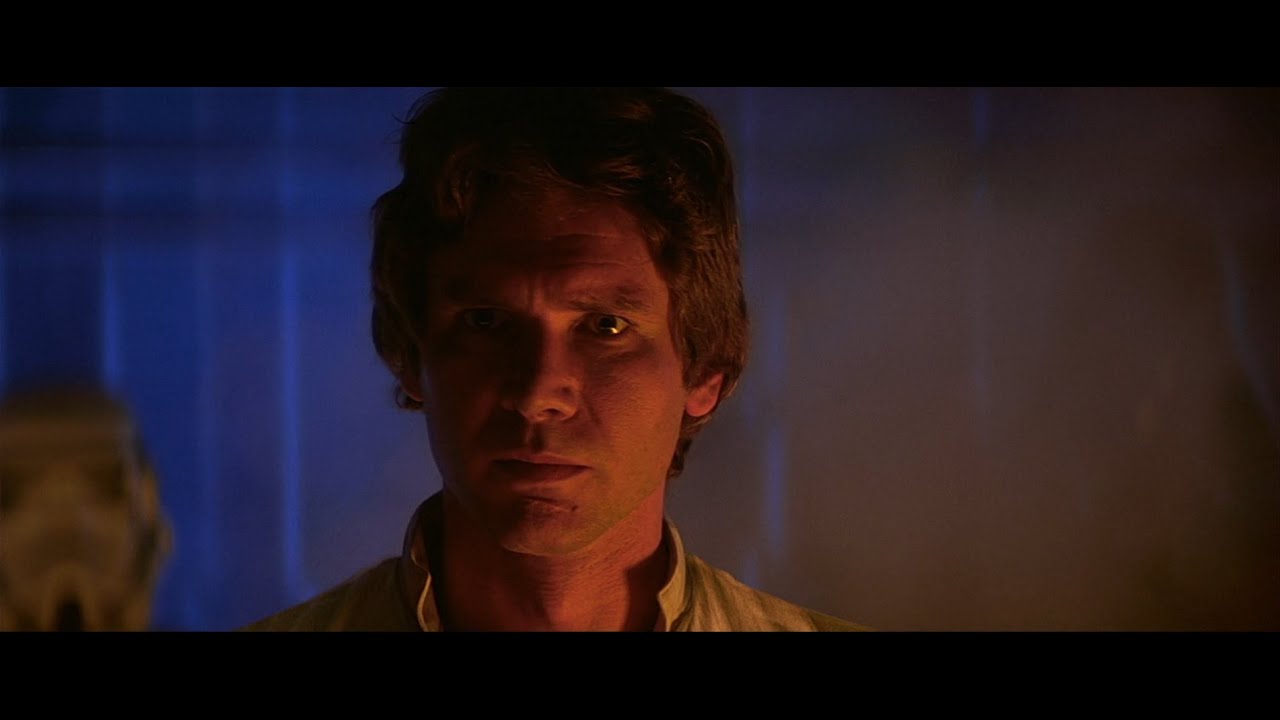
🎬 Scene context: Before being frozen in carbonite, Leia confesses her love to Han Solo. The situation is hopeless: he’s about to be handed over to Boba Fett, and this may be their last conversation.
🎥 What happened on set: The script originally had a standard reply: "I love you too." Harrison Ford suggested a different line — the short "I know." According to director Irvin Kershner’s recollections, Ford’s version came up during discussion and immediately worked on camera.
🧩 Why they kept it: It fit Han’s character perfectly — cocky, confident, but not indifferent. It removed melodrama and made the moment feel more real. After a test take, the team decided to keep it, and the line became one of the saga’s most-quoted lines.
"Indiana Jones and the Raiders of the Lost Ark" — a shot instead of a duel

🎬 Scene context: In a Cairo bazaar, Indiana Jones faces a swordsman who dramatically demonstrates impressive blade technique. The audience expects a long, spectacular fight.
🎥 What happened on set: Harrison Ford had a stomach illness and physically couldn’t do the planned extended choreography. According to Steven Spielberg and Ford himself, Ford suggested that Indy should simply pull out a revolver and shoot. The scene was rewritten on set.
🧩 Why they kept it: The quick shot turned out to be more effective than a long fight. The moment emphasised the hero’s pragmatism and subverted expectations.
"The Shining" — "Here’s Johnny!"
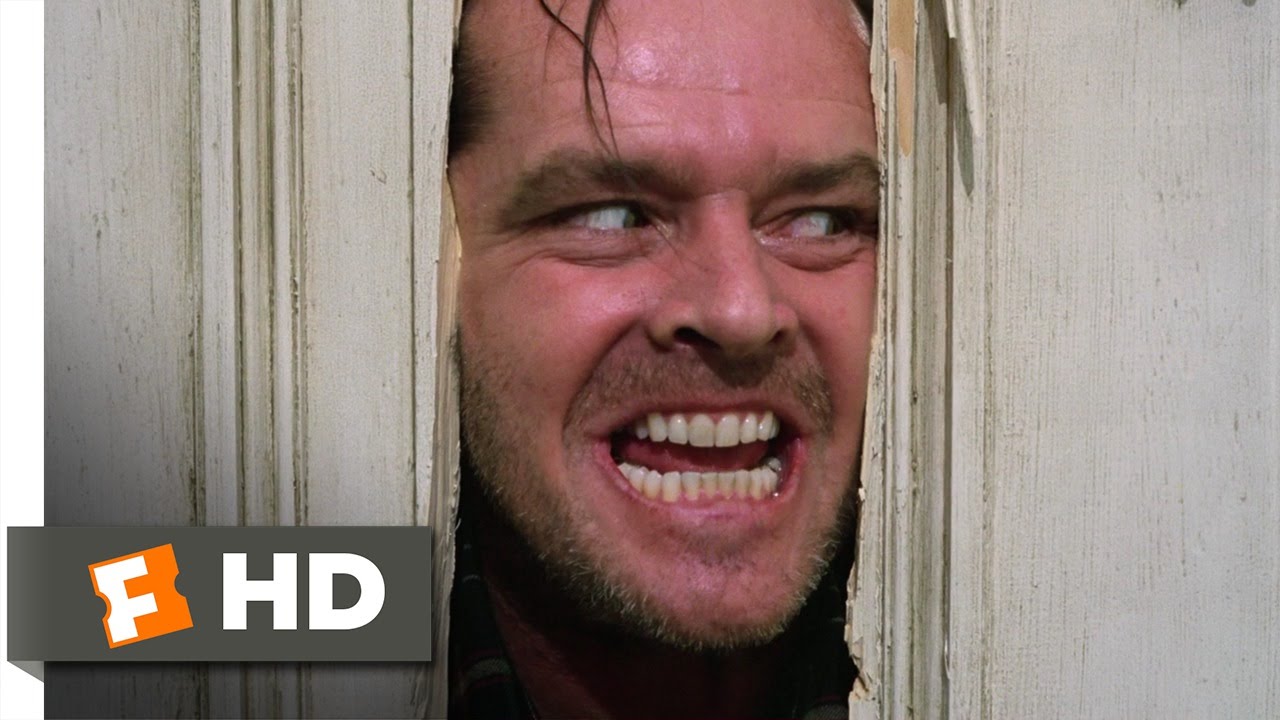
🎬 Scene context: Jack Torrance chops through the bathroom door with an axe. He breaks a hole, sticks his head through the gap, and looks inside.
🎥 What happened on set: Jack Nicholson improvised the line "Here’s Johnny!" It was a reference to Ed McMahon’s well-known introduction on The Tonight Show Starring Johnny Carson, familiar to virtually everyone in America at the time. The line wasn’t in the script.
🧩 Why they kept it: Stanley Kubrick kept the take because the line added an absurd, almost TV-like tone that underscored Jack’s mental collapse. The contrast between the "entertaining" shout and the violent situation made the moment even more unsettling — which is why it became one of the most famous scenes in horror history.
"Fight Club" — a punch to the ear
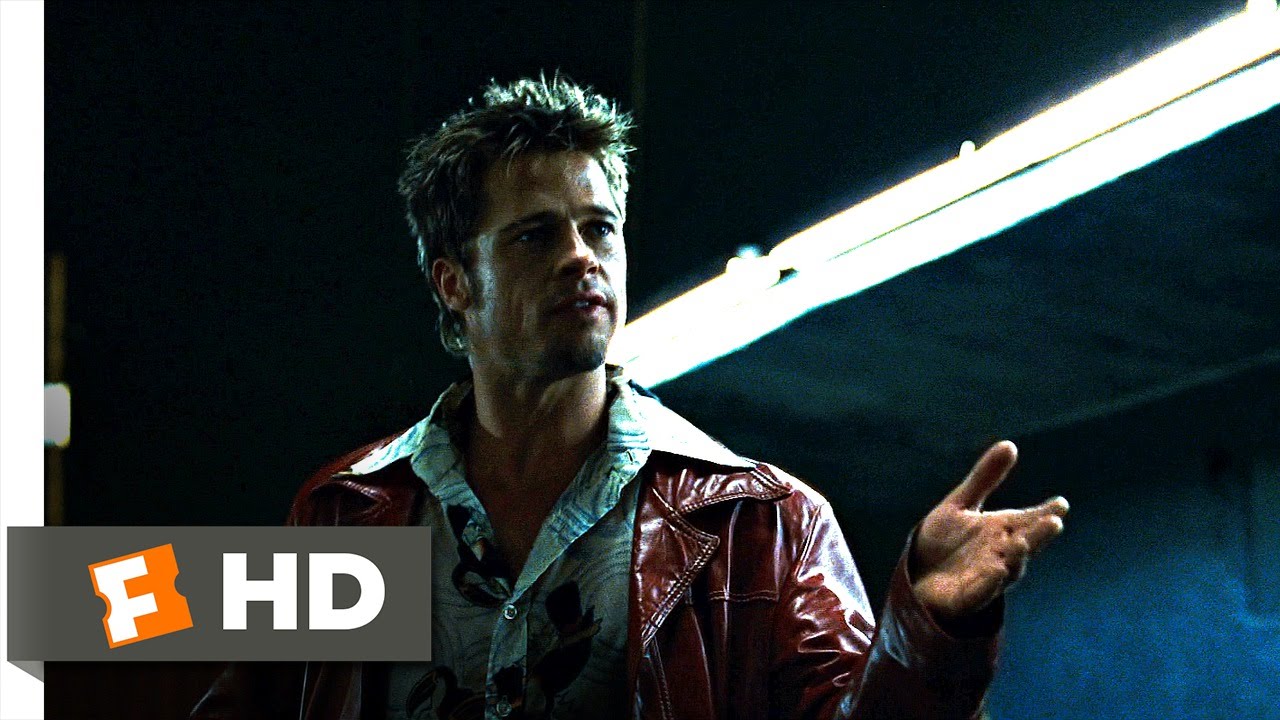
🎬 Scene context: The Narrator asks Tyler Durden to hit him — and the first fight begins, awkward and painfully real.
🎥 What happened on set: During the scene, David Fincher asked Edward Norton to throw the punch for real rather than for show — and Norton hit Brad Pitt in the ear. Pitt didn’t expect it, so his reaction on camera looks completely natural.
🧩 Why they kept it: The awkwardness and sudden pain made the scene feel more authentic. The fight looks less like choreography and more like an impulsive outburst. That realism set the tone for the entire film.
"Lost in Translation" — goodbye on the street
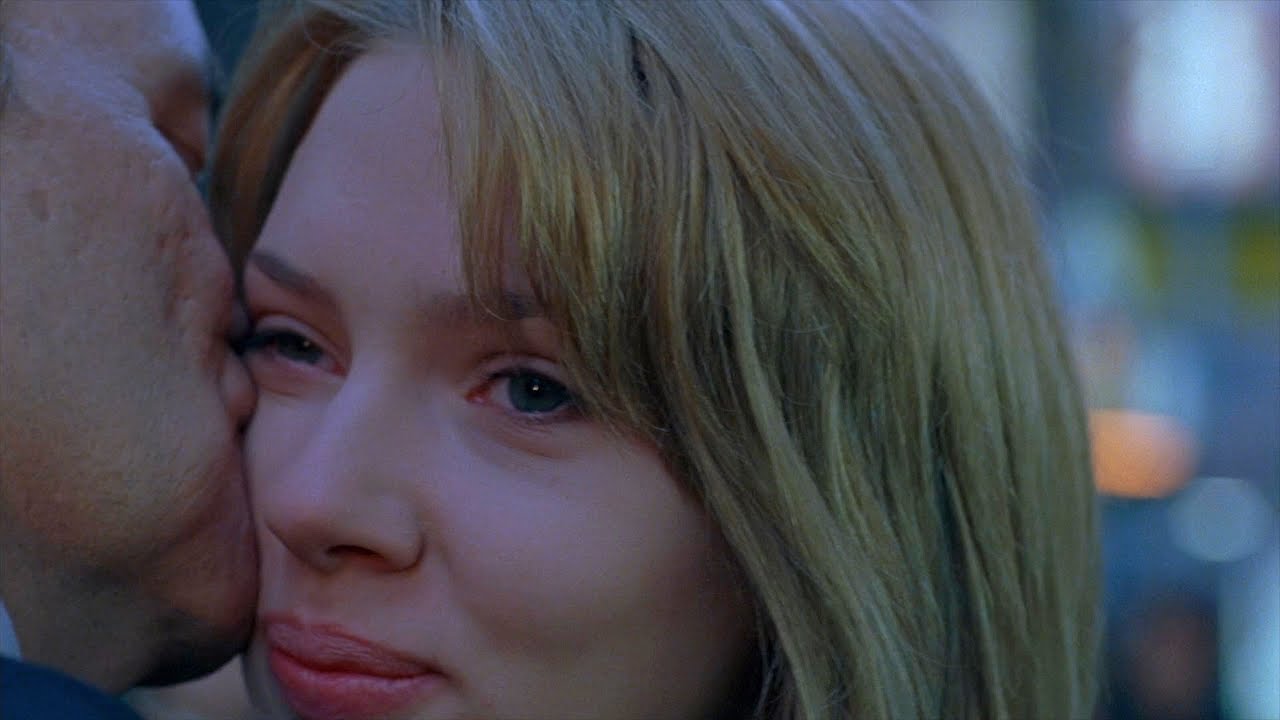
🎬 Scene context: At the end of the film, Bob and Charlotte say goodbye on a Tokyo street. He turns back, hugs her, and whispers something in her ear. The audience doesn’t hear the words — they remain unheard.
🎥 What happened on set: Sofia Coppola didn’t write a specific line for that moment. Bill Murray improvised the whisper during the take. According to the director, the text wasn’t in the script and was never publicly revealed.
🧩 Why they kept it: Not hearing the exact words makes the scene more personal. The audience sees Charlotte’s reaction but doesn’t get an explanation — and that ambiguity works more powerfully than any clearly stated ending.
"Die Hard" — Hans Gruber’s fall
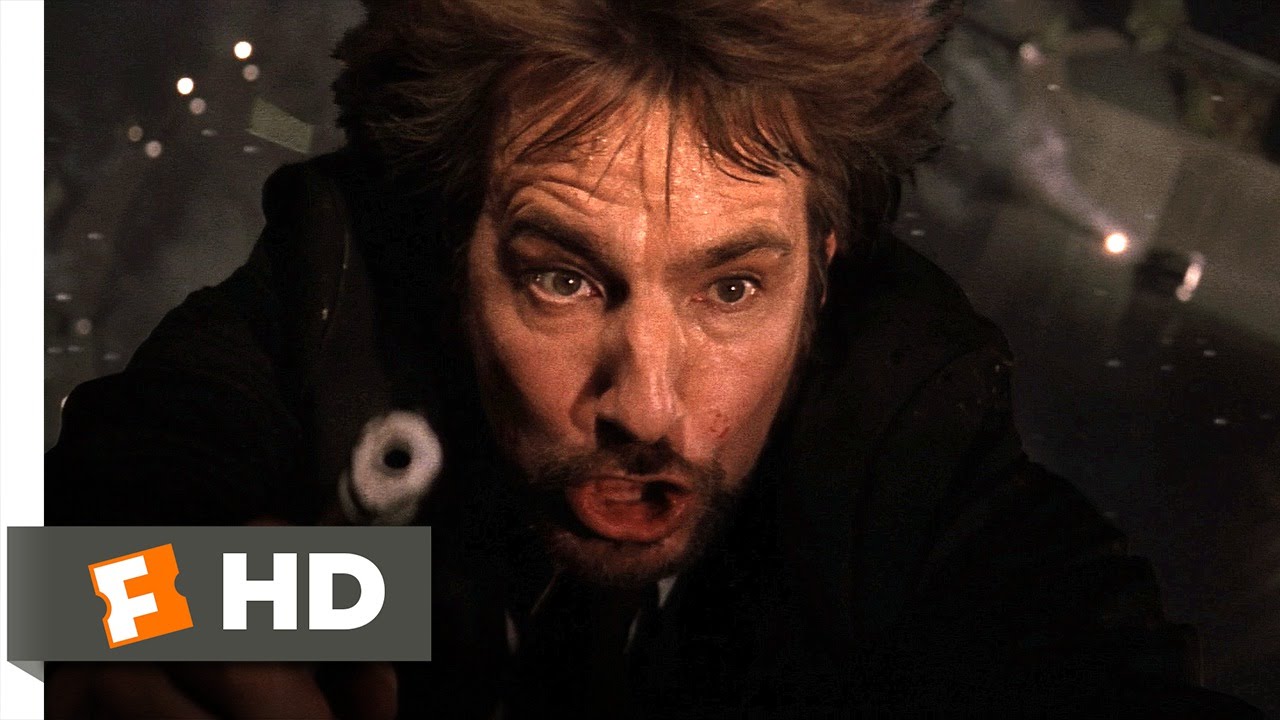
🎬 Scene context: In the finale, Hans Gruber falls from the roof of Nakatomi Plaza after his fight with John McClane. The camera captures his face as he drops.
🎥 What happened on set: Alan Rickman was suspended on a harness above a soft mat for the close-up. He was supposed to be released on the count of "three," but the stunt team dropped him earlier — on "two." Rickman later spoke about it in interviews. The surprise captured his real reaction.
🧩 Why they kept it: The natural look of shock made the final shot more convincing. Instead of a controlled fall, the audience sees the split second of losing footing — and that’s what strengthened the scene.
Accidents in cinema aren’t chaos — they’re a test of flexibility. In moments like these, you can tell whether a crew will cling to the script or trust the moment.
Harrison Ford changes a line — and it becomes a quote for decades. Viggo Mortensen injures his toes — and the scream no longer needs acting. Heath Ledger reacts to a delayed explosion — and the scene finds its own rhythm.
That’s when cinema becomes alive. And maybe the paradox is simple: sometimes the most accurate shot is the one that no one planned to shoot.
.webp)